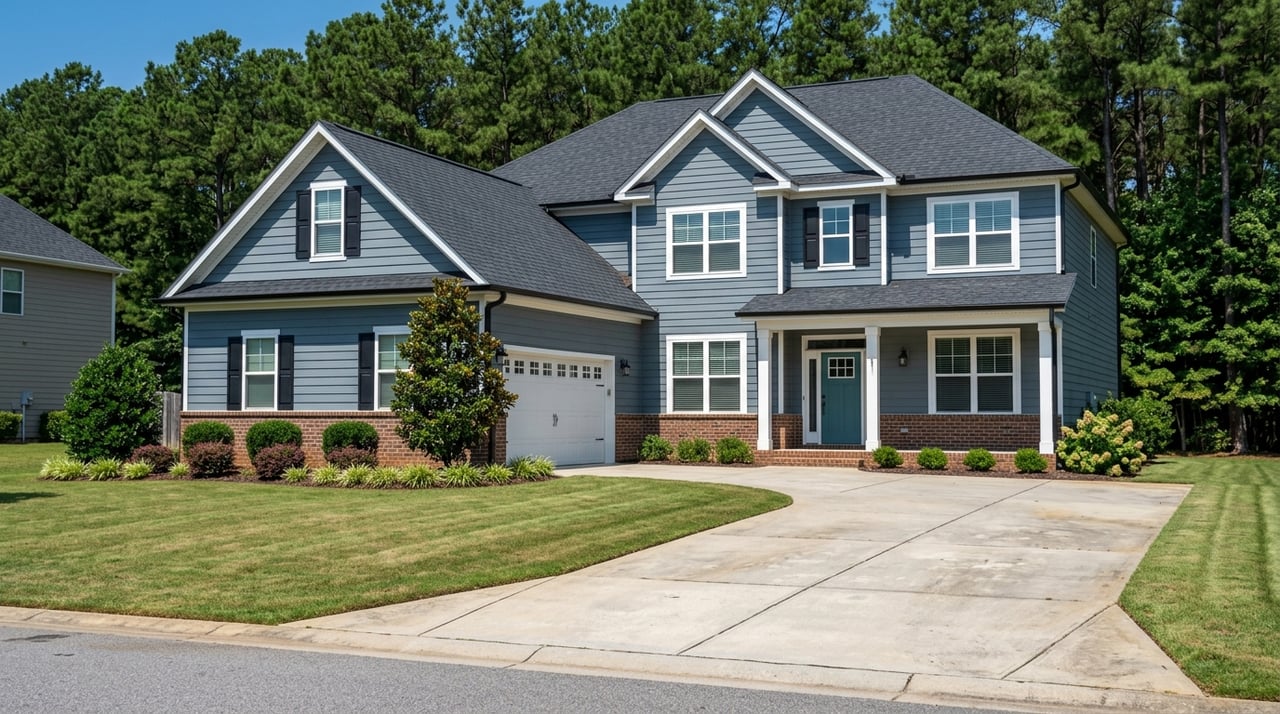
Your Homebuying Timeline In Nashville, NC From Start To Finish
May 21, 2026
May 21, 2026
If you are planning to buy a home in Nashville, NC, one of the biggest questions is simple: how long will it all take? The honest answer is that your timeline is less like a single countdown and more like a set of checkpoints. From preapproval to due diligence to closing day, each step can move quickly or take a little longer depending on the property, your financing, and the terms you negotiate. This guide will walk you through the process from start to finish so you know what to expect and how to plan with confidence. Let’s dive in.
Many buyers want a neat answer like 30 days or 60 days. In Nashville and across North Carolina, the better way to think about the process is as a timeline with moving parts.
For financed purchases, the strongest benchmark comes from CFPB mortgage data, which shows a median 44 days from application to closing. At the same time, North Carolina’s due-diligence period is negotiated in the contract, which means your overall timeline can be shorter or longer depending on what you and the seller agree to.
That matters in Nashville because local market snapshots do not all say exactly the same thing. Recent reports have shown different home values, sale prices, listing prices, and days on market depending on whether the data reflects Nashville itself or Nash County, and whether it tracks list prices or closed sales.
For example, Zillow reported a Nashville home value index of $259,432 as of April 30, 2026. Redfin reported a Nash County median sale price of $291,000 in March 2026 with 87 average days on market, while Realtor.com reported a Nash County median listing price of $315,000 with 49 median days on market and labeled it a buyer's market in March 2026. Realtor.com also showed a separate Nashville city median listing price of $352,450 with 68 median days on market.
The takeaway is practical: you may have room to compare options, but you still need to stay organized and ready to act when the right home appears.
Before you tour seriously, you will usually want a mortgage preapproval. A preapproval letter is a lender’s tentative statement that it is willing to lend up to a certain amount, and sellers often want to see one before accepting an offer.
Timing matters here. Preapproval letters typically expire after 30 to 60 days, so it often makes sense to start this step close to when you are ready to shop, not months too early.
Once you submit a mortgage application, the lender must provide a Loan Estimate within three business days. That gives you an early look at projected loan costs and helps you compare what the purchase may look like on paper.
A smoother preapproval often starts with a few basic items ready to go:
This step helps you set realistic expectations before you start falling in love with homes.
Your purchase price is only part of the picture. You will also want to plan for closing costs, property taxes, and the cash you may need upfront.
According to CFPB, closing costs, excluding your down payment, typically range from 2% to 5% of the purchase price. The actual total depends on the home price, your loan type, lender charges, down payment, and location.
If the home is inside Nashville town limits, local property taxes are another important part of your budget. Nash County lists a 2025 county real estate tax rate of $0.63 per $100 of assessed value, and the Town of Nashville lists a 2025 municipal real estate tax rate of $0.59 per $100.
Added together, that gives you a base local rate of $1.22 per $100 of assessed value before any special district charges that may apply. Nash County also notes that tax bills are mailed in July or August, are due September 1, and are ordinarily prorated at closing.
A realistic budget makes your next steps much less stressful.
Once you know your numbers, the home search begins. In Nashville and greater Nash County, market pace can vary depending on the exact area, price point, and property condition.
That is why broad headlines do not tell the whole story. A countywide median sale price and a city listing-price snapshot can paint very different pictures, so your search timeline may depend on whether you are looking inside Nashville town limits, outside town, or at homes with land.
For many first-time and value-conscious buyers, current conditions suggest there may be time to compare homes thoughtfully. Still, that does not mean you should delay your financing prep or leave paperwork unfinished.
When you find the right home, your timeline becomes more specific. In North Carolina, seller disclosure timing is important.
State law requires the owner to deliver the disclosure statement no later than the time you make an offer. If that disclosure was not delivered by then, you may have the right to cancel the resulting contract, subject to the statute’s timing rules.
This is one reason it helps to review documents carefully before you move too far ahead. A well-prepared offer is not just about price. It is also about understanding the terms, timing, and paperwork attached to the property.
In North Carolina, due diligence is one of the most important parts of the homebuying timeline. It begins on the effective date of the contract and gives you a negotiated period to investigate the property and the transaction.
This is where many of the major checkpoints happen. NCREC notes that common due diligence items include inspections, survey work, appraisal, title search, loan qualification and application, and repair negotiations.
The due diligence fee, if any, is negotiated and paid to the seller for this investigation period. Its amount often reflects market conditions and the length of the due diligence period.
NCREC also states that you can terminate during the due-diligence period for any reason or no reason. In that case, you would typically get earnest money back, but the due diligence fee is usually not refunded.
Once the due-diligence period ends, your leverage drops and your earnest money is more exposed. That is why this window matters so much.
If you are buying a home outside more built-up areas, especially a property with a private well or septic system, plan for extra review during due diligence. In Nash County, Environmental Health handles well permitting, septic design and permitting, installation inspections, and site suitability for septic systems.
The county’s guidance says buyers should first clear planning, zoning, and utilities, then apply through Environmental Health. Nash County also says well and septic permits are valid for five years.
Your mortgage timeline runs alongside your contract timeline. After application, the lender provides the Loan Estimate within three business days, and later must provide the Closing Disclosure at least three business days before closing.
CFPB data shows a median 44 days from application to closing and a median gap of six calendar days between the first Closing Disclosure and closing. Those numbers give you a useful planning benchmark, even though every file is different.
One thing that can affect the schedule is the appraisal. CFPB notes that lenders may use an early valuation and later require a full appraisal by a licensed appraiser, and different valuations can differ based on comparable sales, dates, or purpose.
If the appraisal, underwriting, or document requests take longer than expected, the closing date may need to shift. Staying responsive during this stage can help keep things on track.
North Carolina is an attorney-closing state for residential real estate. The North Carolina State Bar says a licensed North Carolina attorney must supervise the closing.
That attorney’s role includes title review, document preparation, recording, and disbursement. In Nash County, deed recording goes through the Register of Deeds in Nashville.
This means your closing is not just a signing appointment. It is a legal and financial process with several steps happening behind the scenes to complete the transfer properly.
As closing gets closer, you will review the final figures carefully. Your closing statement may include lender charges, prepaid items, prorations, and other adjustments.
In this area, buyers should also know about the North Carolina conveyance tax. State law imposes $1 per $500 of consideration or fractional part, paid by the transferor before the deed is recorded.
Nash County also notes that real estate taxes are ordinarily prorated at closing. That is why your final numbers may include property tax adjustments along with other transaction costs.
Near the end of the process, you will usually complete a final walk-through. This gives you a chance to confirm the property is in the expected condition before closing.
Then comes the attorney-supervised signing, recording, and funding. Once those steps are complete, the transaction finishes and you can move forward with getting the keys and planning your move.
For many buyers, this is the moment when all the earlier checkpoints come together. The paperwork may feel heavy, but each piece plays a role in getting you to a successful closing.
Here is the big-picture version of how your timeline may unfold:
| Stage | What happens | Typical timing |
|---|---|---|
| Preapproval | Budget review and lender preapproval | Often 30 to 60 days before serious shopping |
| Home search | Touring homes and comparing options | Varies by inventory and your goals |
| Offer accepted | Contract becomes effective | Day 1 |
| Due diligence | Inspections, title, appraisal, financing, negotiations | Negotiated in contract |
| Loan processing | Underwriting and final approval steps | Often overlaps with due diligence |
| Closing Disclosure | Final loan disclosure issued | At least 3 business days before closing |
| Closing day | Attorney-supervised signing and recording | Often about 44 days from application for financed purchases |
The key is to think in checkpoints, not just dates on a calendar.
You cannot control every part of a home purchase, but you can reduce delays.
A few smart habits can make a big difference:
A steady, informed approach usually beats a rushed one.
If you are buying in Nashville, NC, having local guidance can make the process feel much more manageable, especially if you are weighing existing homes, rural properties, or even a build path. The team at Foote Real Estate Group can help you understand the timeline, prepare for each checkpoint, and move forward with confidence.
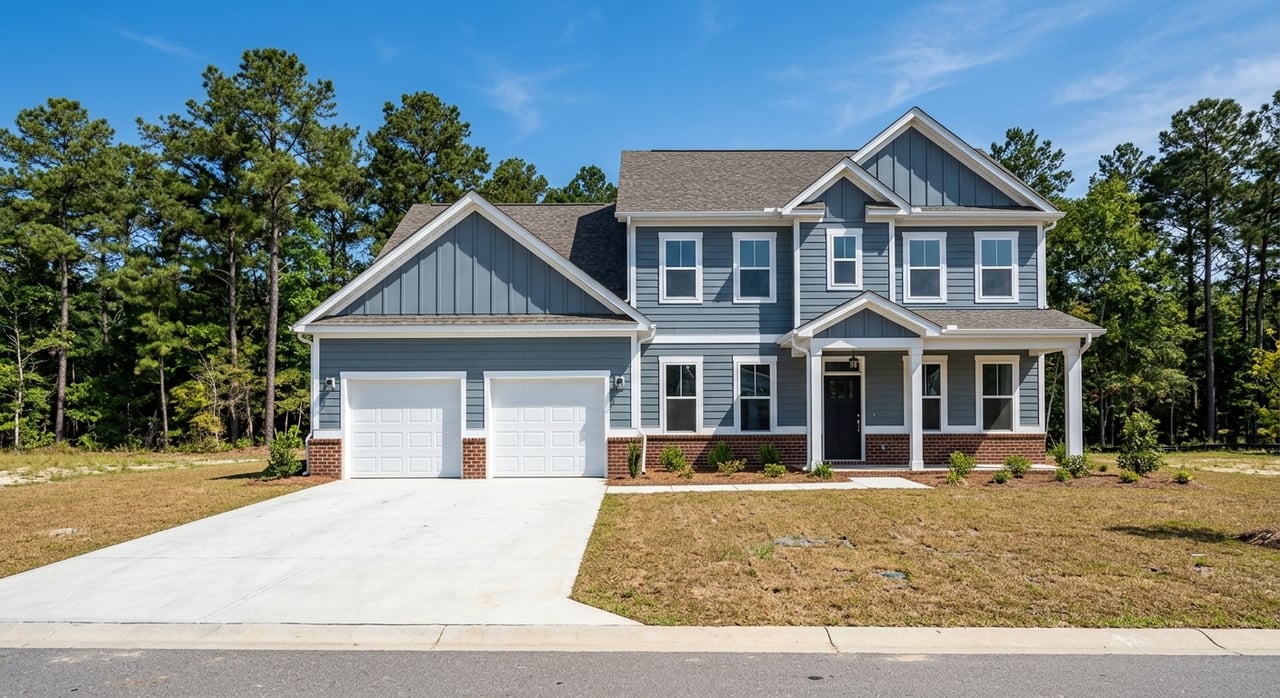
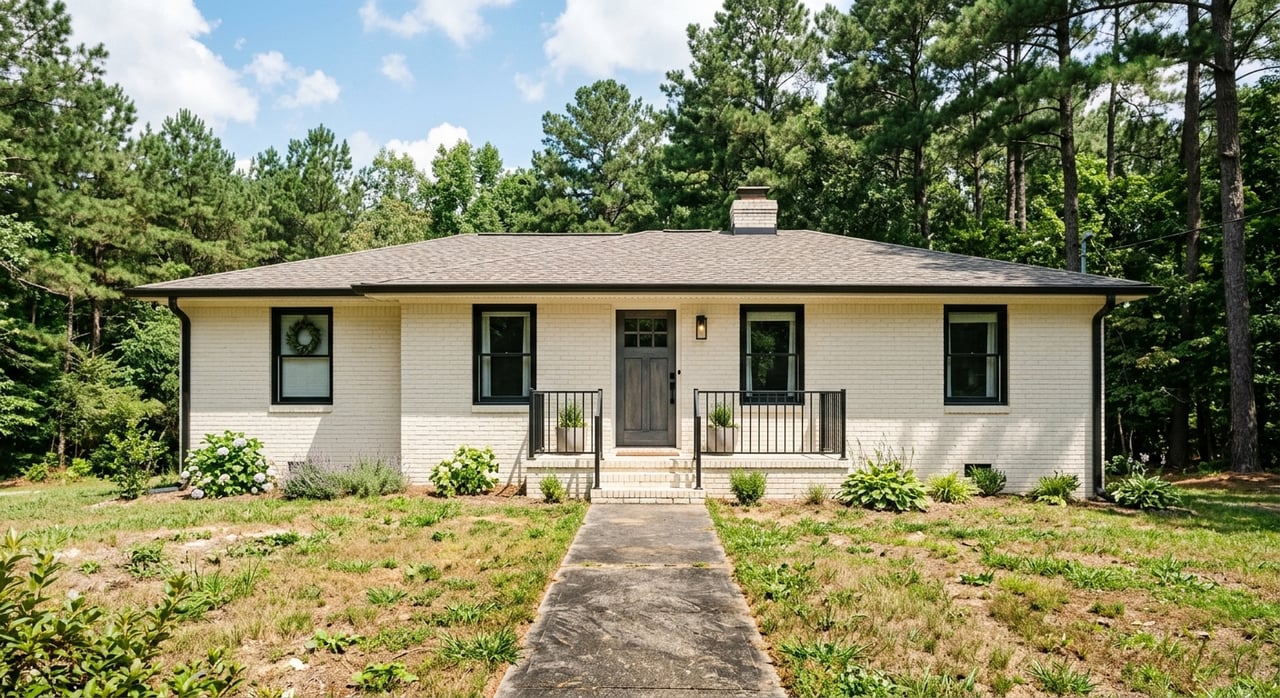
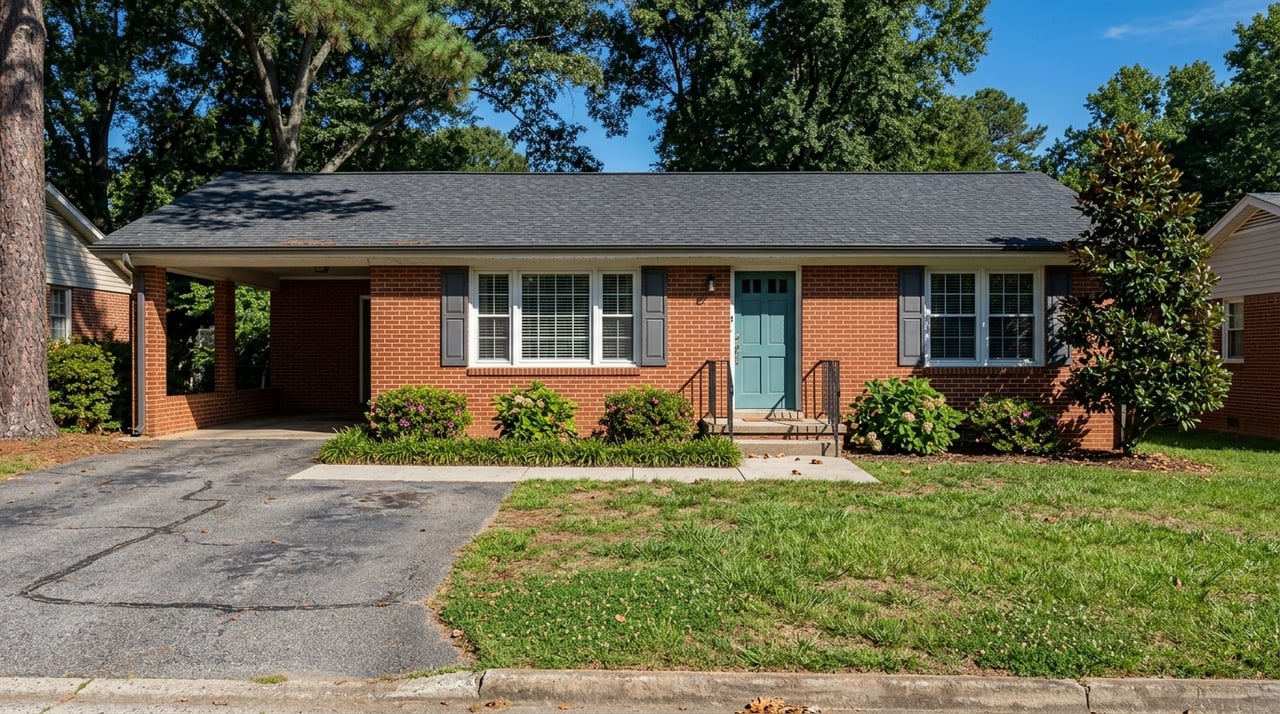
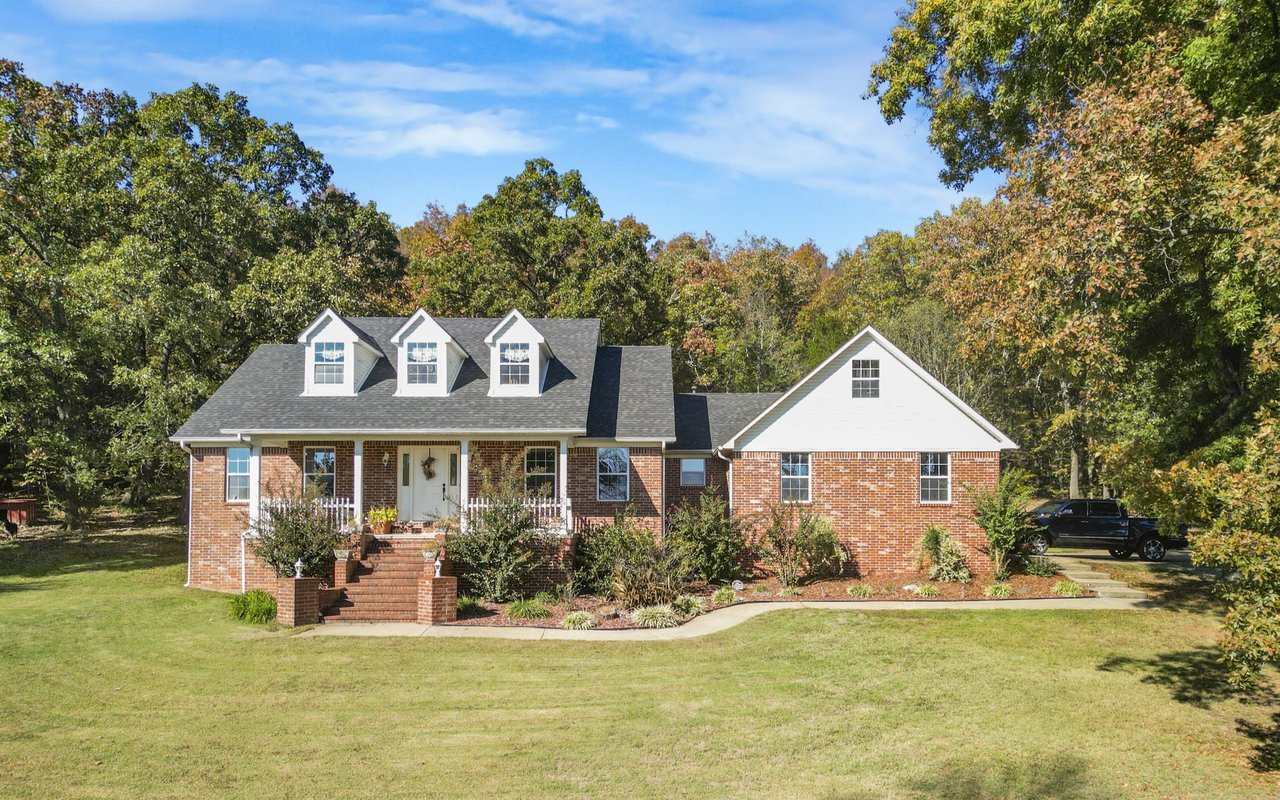
From finding the right piece of land to designing your ideal floor plan and finishes, we’ll guide you every step of the way—so you can build your dream home with confidence and stay on budget.
FOOTE & MOOREFIELD CONTRACTORS
3312 Sunset Ave Rocky Mount NC 27804