What To Know About Second-Home Living In Beaufort County
February 19, 2026
February 19, 2026
Craving a quiet place on the water that is still an easy weekend drive from home? If you live in Wake or Nash County, Beaufort County offers river views, boating access, and small-town charm without the beach crowds. In this guide, you’ll get clear answers on property types, pricing realities, flood and insurance must-knows, maintenance, rental rules, and financing. You will also find practical checklists to help you buy with confidence. Let’s dive in.
If you want a second home that is close enough for quick trips, Beaufort County fits the bill. The drive from Raleigh to Washington, NC is commonly in the 1.5 to 2 hour range, with one published estimate around 1 hour 41 minutes. You should always map from your address because time varies by route and season, but it is an easy, repeatable trip for most Triangle residents. From Rocky Mount, you can often reach Washington in under an hour.
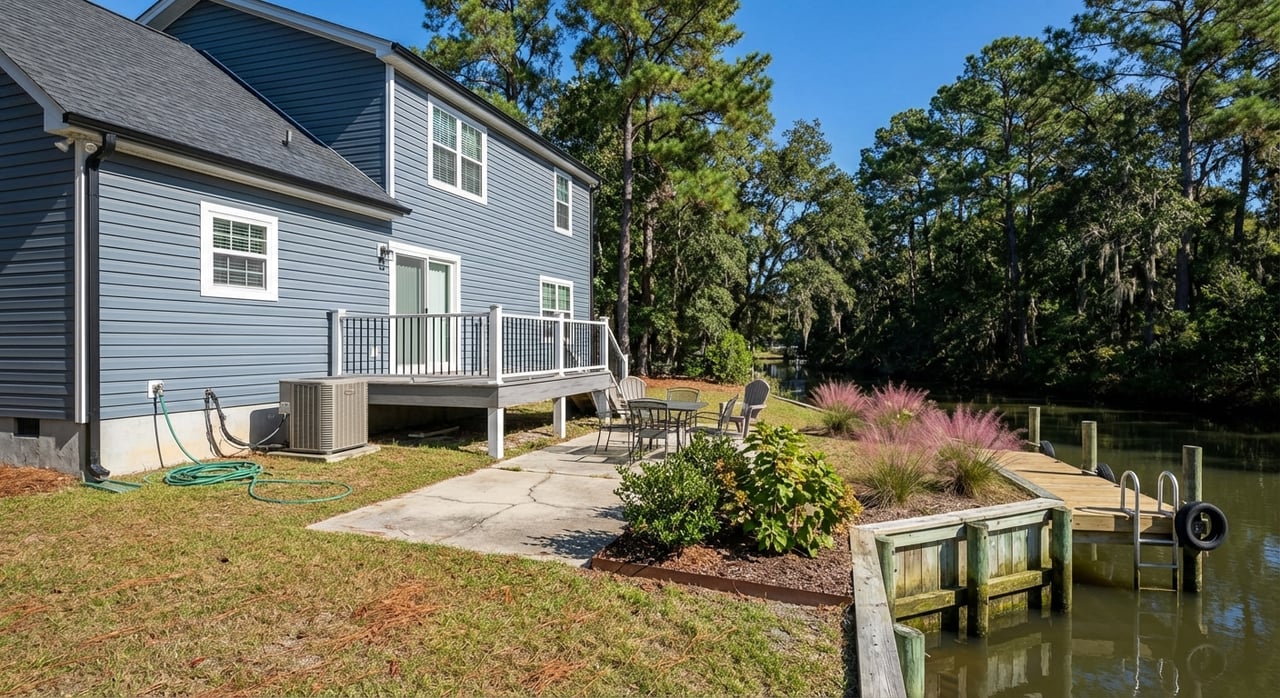
Waterfront access is a major draw. Marinas and river access points dot the Pamlico and Pungo rivers, giving boaters an easy path to explore the Intracoastal Waterway. Towns like Washington, Belhaven, Bath, Aurora, Chocowinity, Pantego, and Washington Park offer a mix of quiet neighborhoods, historic streets, and access to the water.
Example Raleigh–Washington drive time | NC marina listings
You will find single-family waterfront homes on the Pamlico and Pungo rivers and their tributaries. Many offer private docks, lifts, or access to community ramps. Vacant waterfront lots are also available if you want to build a custom retreat and choose your own layout.
While single-family homes dominate, some condo-style developments, especially around Belhaven, come with shared docks or marina access. These can be attractive if you want lower-maintenance living and an easy lock-and-leave routine.
Beaufort County also includes older, historic homes in places like Bath and parts of Washington, plus modest inland houses and manufactured or modular homes in unincorporated areas. These options tend to offer more space for the price than dedicated waterfront properties.
Expect wide variation across the county. Inland and non-waterfront homes generally cost much less than properties with direct water or boating access. Waterfront or near-water homes often command a clear premium over county medians. Because numbers change month to month and differ by data source, ask for a current MLS snapshot for your specific neighborhood and property type.
Most second-home owners use their homes more in spring through fall, when boating and warm-weather activities peak. Summer tourism also lifts short-term rental demand in coastal towns. If you plan to rent when you are not using the home, review local rules and plan for cleaning, turnover, and guest support.
Beaufort County participates in floodplain management and has a Flood Damage Prevention Ordinance. Before you buy or build, confirm the property’s flood zone and any elevation requirements. Flood maps update over time and can affect both building rules and lender insurance requirements.
FEMA Flood Map Service Center | Beaufort County Planning | NCJUA/NCIUA wind coverage info | County Flood Ordinance PDF
Many rural and waterfront parcels rely on private wells and on-site septic systems rather than public utilities. During due diligence, verify whether a home is on public water/sewer or private systems. Budget for routine septic pumping, inspections, and any repairs or permits. The county’s Environmental Health office oversees inspections and permits for wells and septic systems.
Environmental Health: septic and wells
FEMA flood maps | County planning for permits
Second-home loans differ from primary-residence mortgages. Lenders often ask for a larger down payment and may require liquid reserves. A commonly cited conventional guideline is a minimum down payment around 10 percent for a second home, with additional reserves. If you intend to rent primarily for income, the property may be treated as an investment, which usually needs a larger down payment and stricter reserves. Talk with a lender early so your occupancy type and terms are clear.
Typical second-home lending guidelines
Short-term rental rules are set by each town. You may need to register the rental, obtain a business license, collect lodging taxes, and meet safety standards. Start by confirming requirements with the town where the home is located and contact the county planning office with permitting questions.
Beaufort County recently completed a countywide revaluation that took effect January 1, 2025. As part of that cycle, the county published a revenue-neutral property tax rate of 44.5 cents per 100 dollars of assessed value for FY 2025–2026. Municipal and special district taxes vary by town and are added on top, so confirm the current rates for your specific address.
If a second home by the Pamlico sounds right, start with a clear plan for use, budget, flood and insurance needs, and maintenance. Then tour a mix of waterfront and inland options to see what fits your lifestyle. When you are ready, partner with a local, hands-on team that can guide you from search to inspection to any build or renovation work you want.
Have questions or need a tailored shortlist of homes and lots? Connect with Foote Real Estate Group for responsive buyer representation, plus integrated build and renovation coordination when you need it.
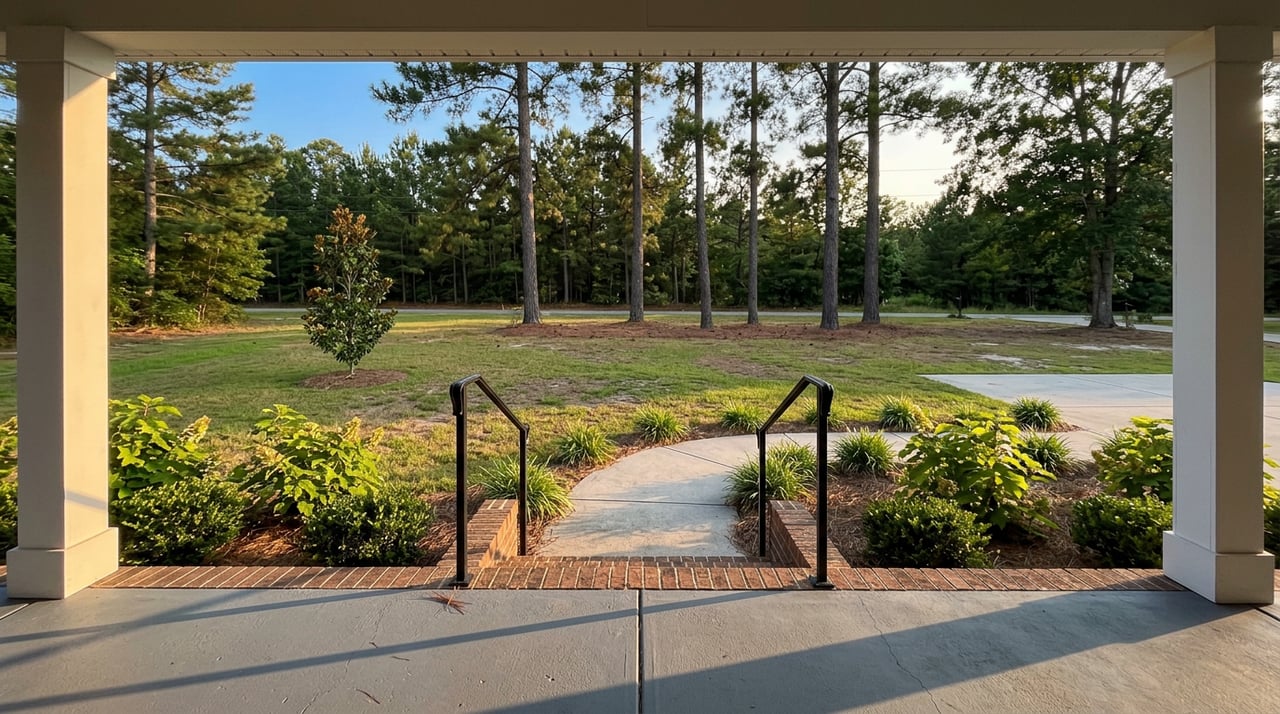
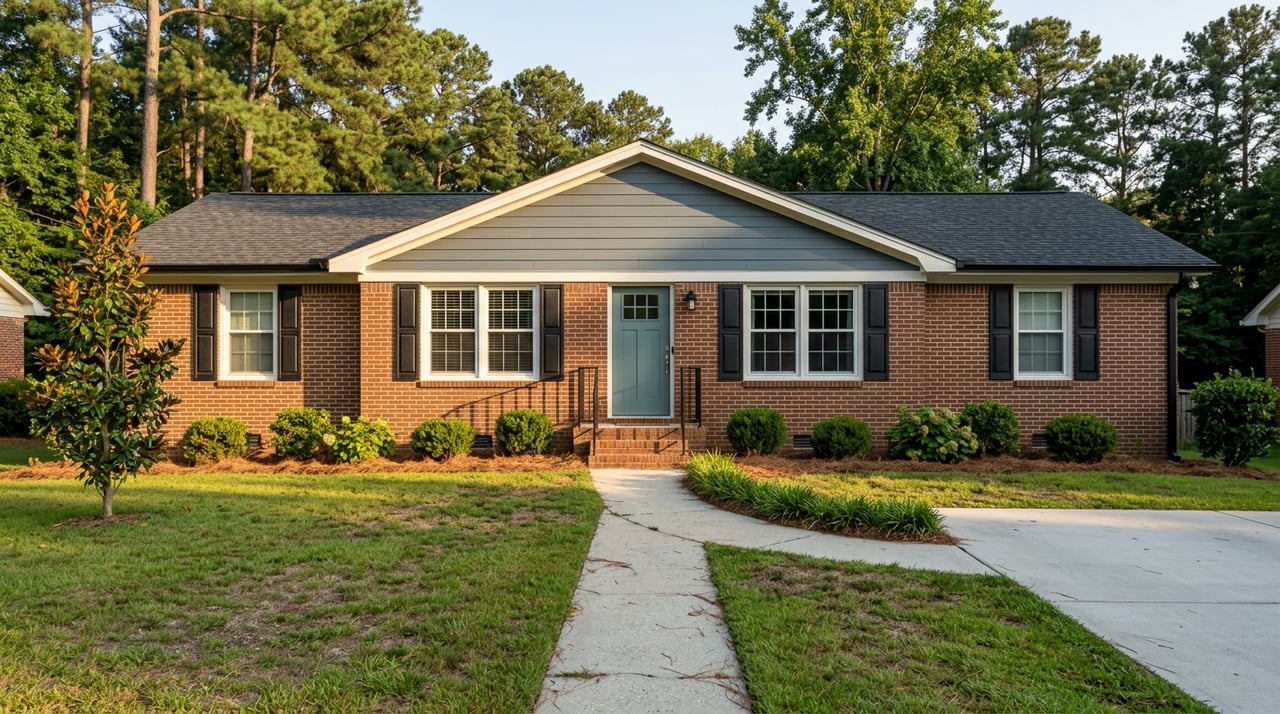
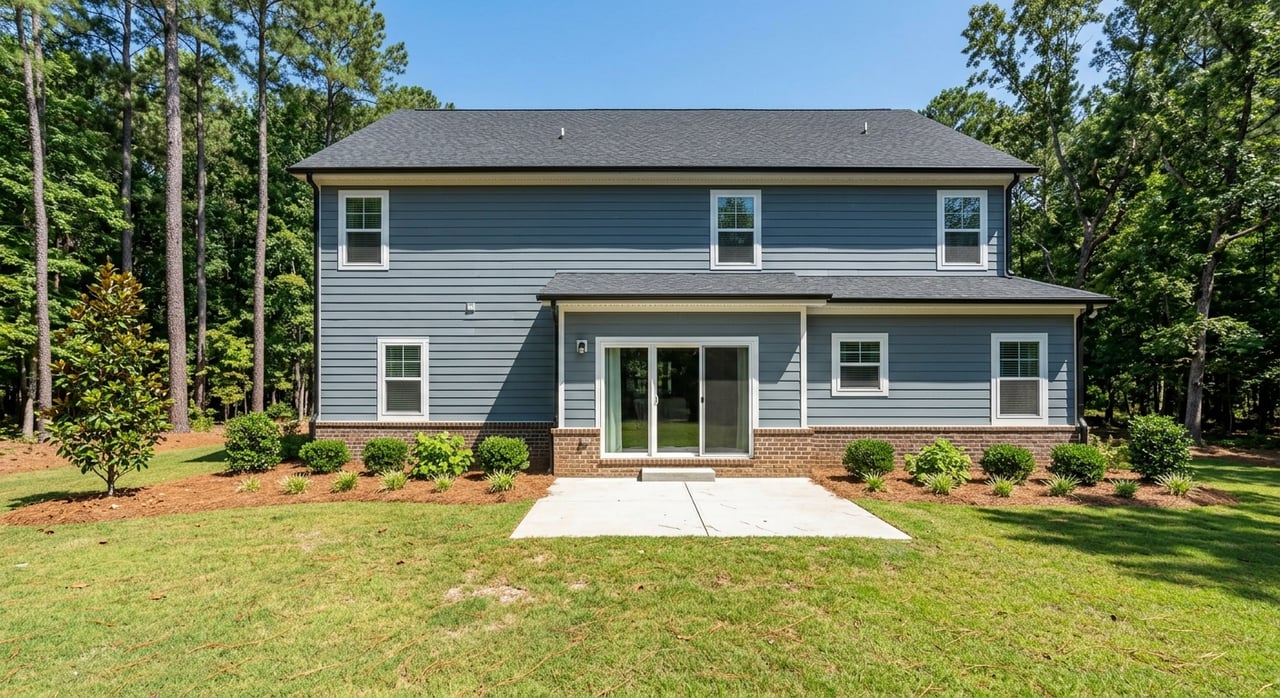
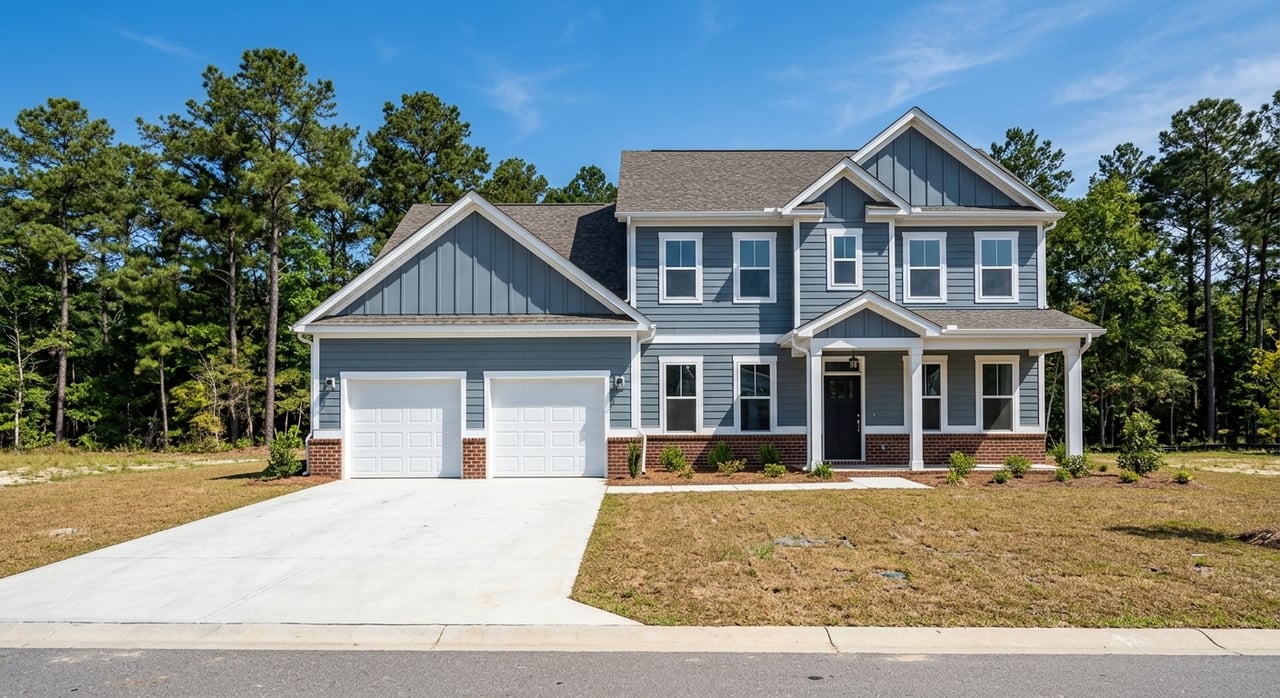
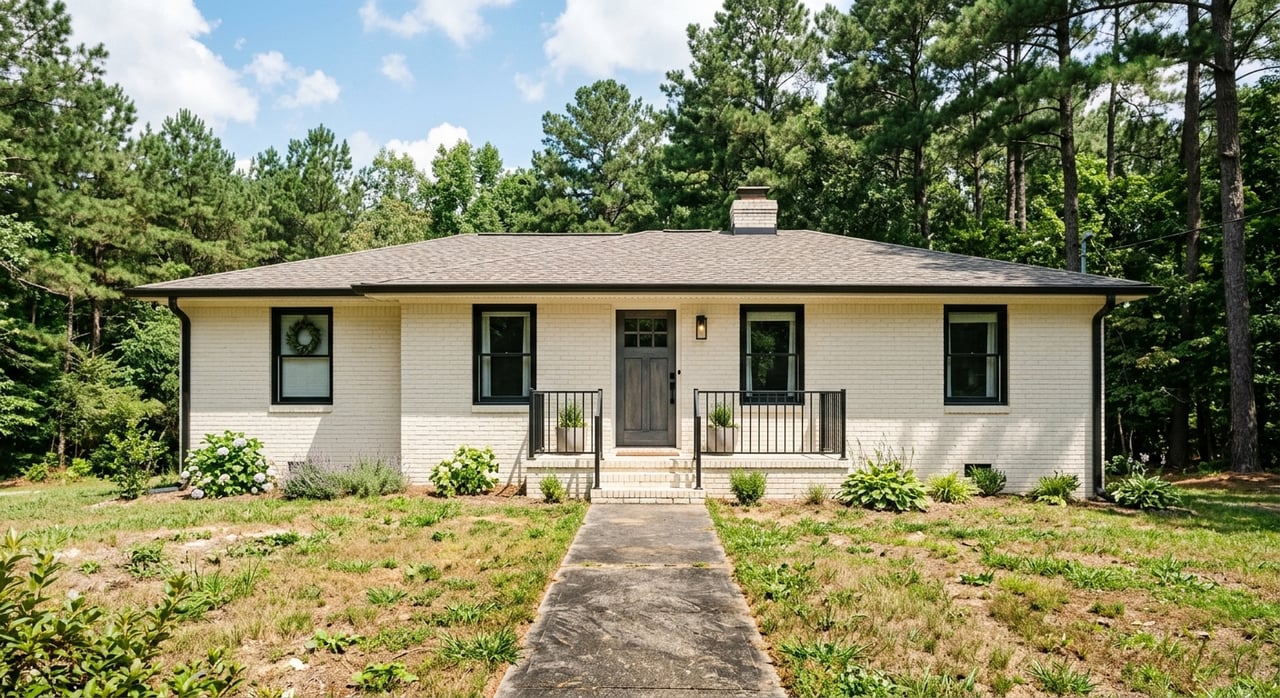
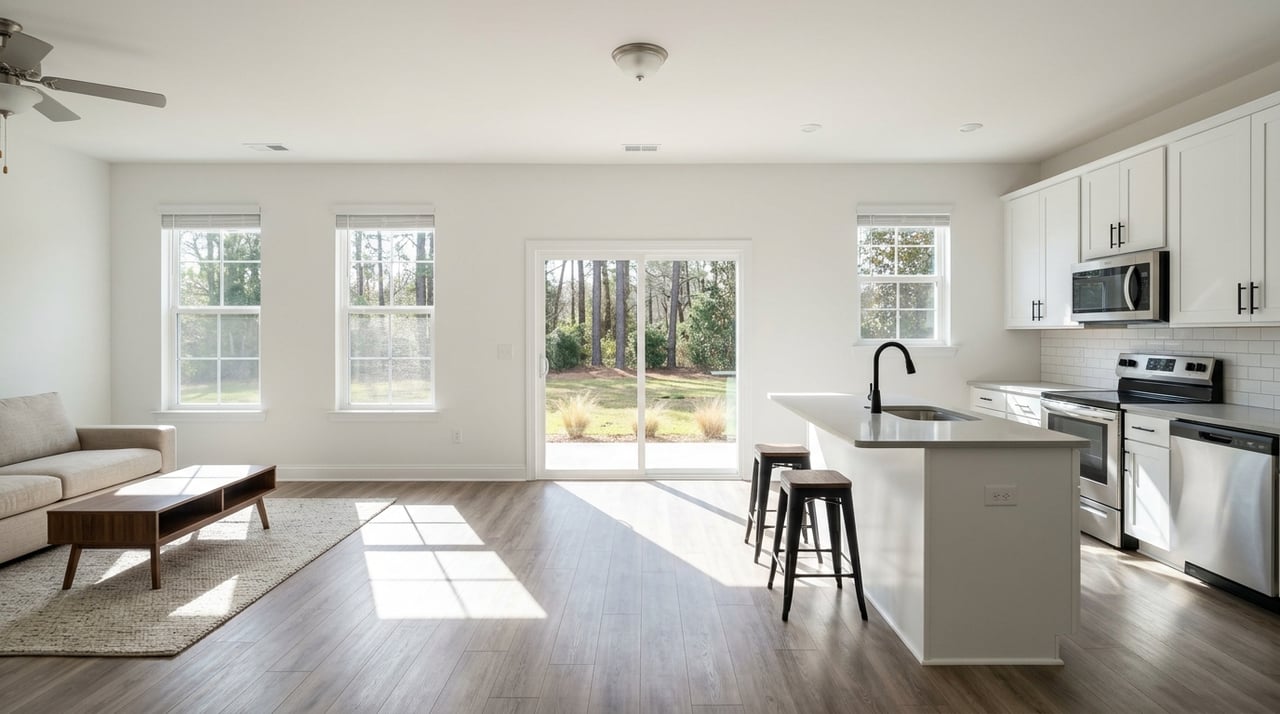
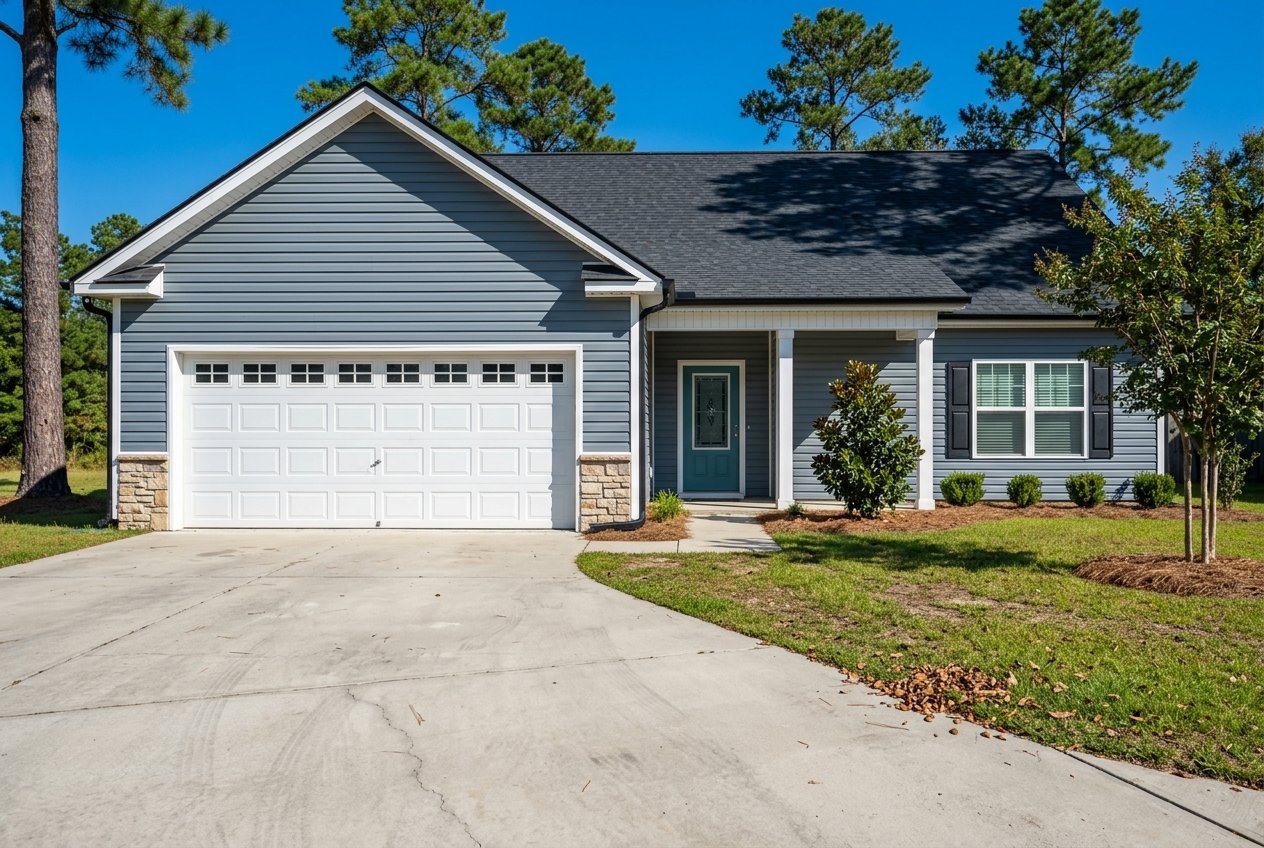
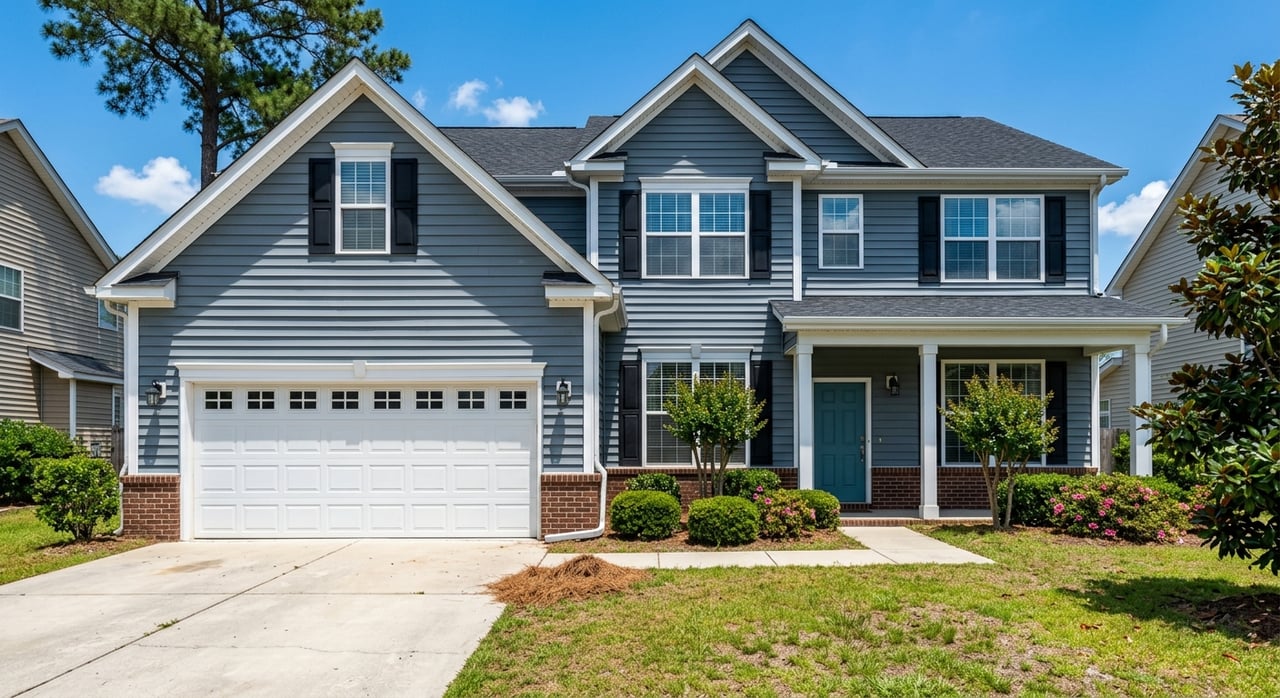
From finding the right piece of land to designing your ideal floor plan and finishes, we’ll guide you every step of the way—so you can build your dream home with confidence and stay on budget.
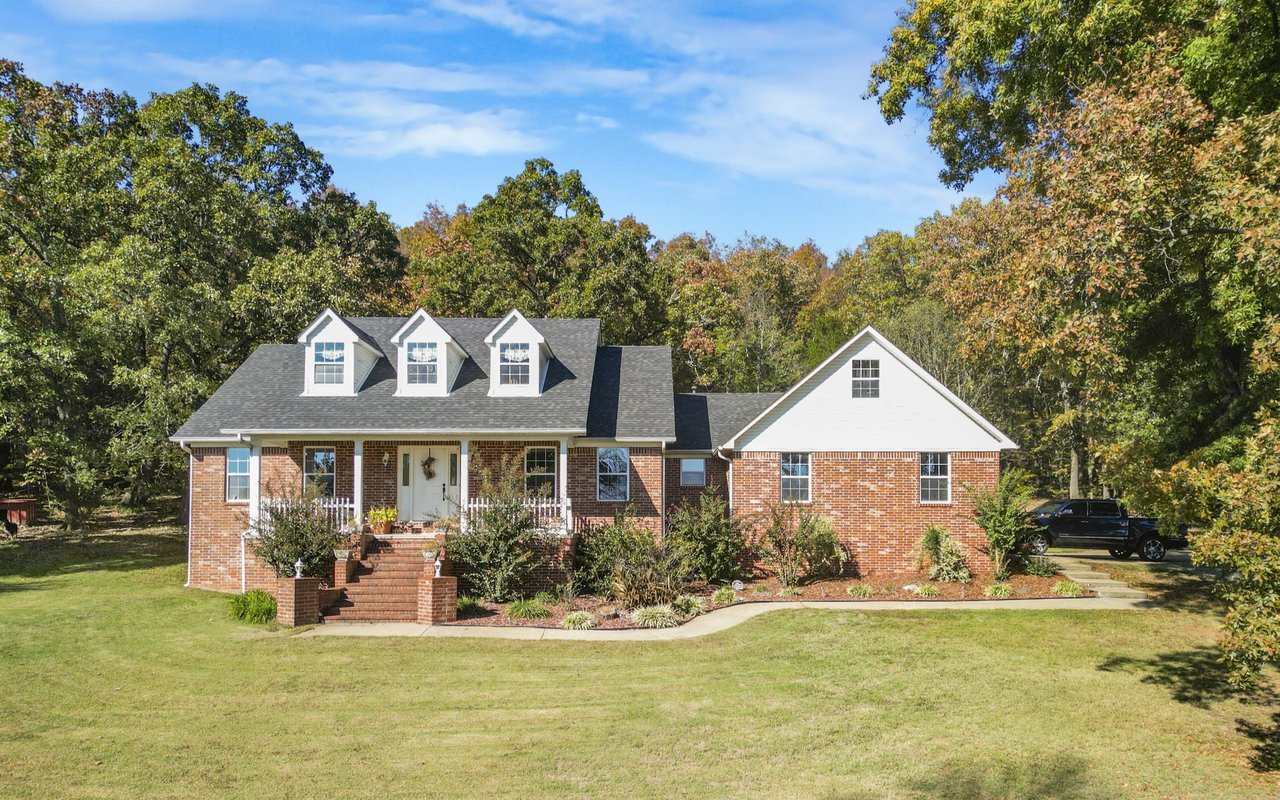
FOOTE & MOOREFIELD CONTRACTORS
3312 Sunset Ave Rocky Mount NC 27804