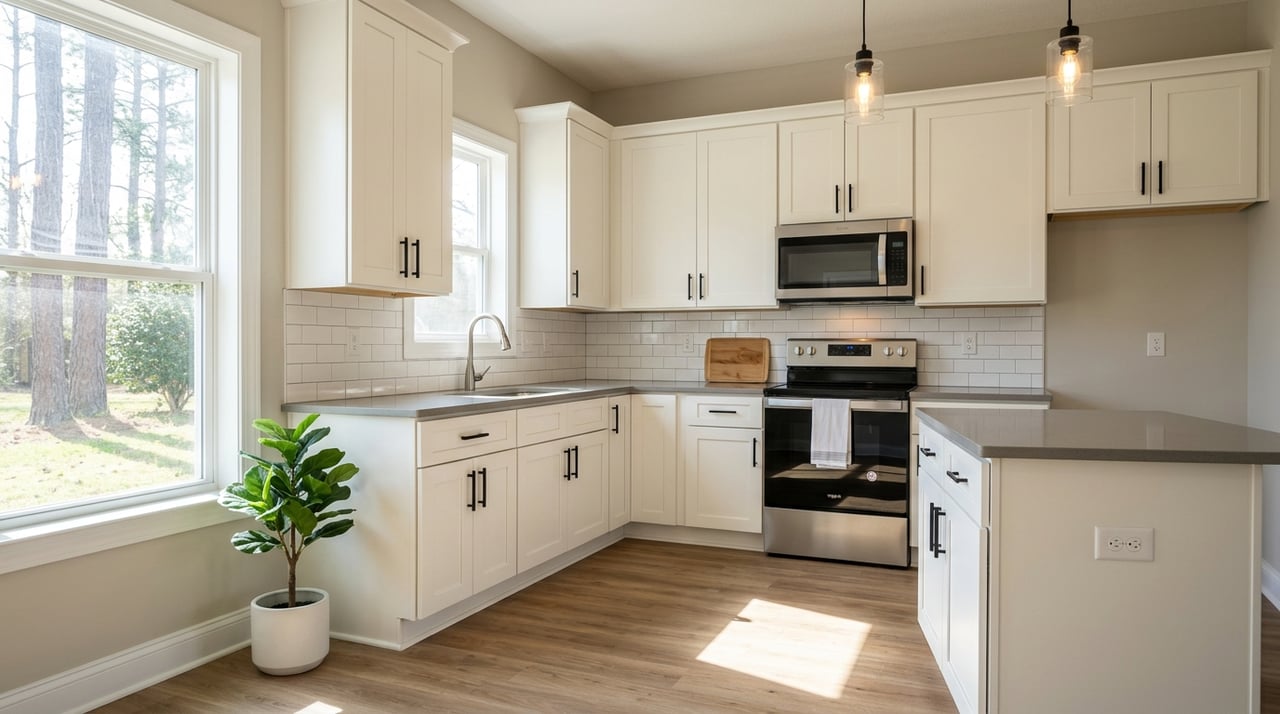
Should You Remodel Before You Sell In Rocky Mount?
April 16, 2026
April 16, 2026
Wondering if you should pour money into updates before you list your Rocky Mount home? In this market, that is an important question because buyers have more room to compare homes, negotiate, and wait for the right fit. If you are thinking about remodeling before you sell, the smartest move is usually not a full renovation but a selective plan based on what buyers notice, what local rules require, and what your likely sale price can support. Let’s dive in.
If you are selling in Rocky Mount right now, the local market gives buyers some leverage. Realtor.com’s Rocky Mount market overview shows 422 homes for sale, a median listing price of $230,475, 68 median days on market, and a 97% sale-to-list ratio as of March 2026. It also reports that homes sold for 2.63% below asking on average in February 2026.
Redfin’s Rocky Mount housing market snapshot points in the same direction, with a median sale price of $225,000, 120 median days on market, and a 94.8% sale-to-list ratio in February 2026. The exact figures differ, but the takeaway is the same: buyers usually have time to compare options. That makes it harder for large remodel costs to pay off unless the work clearly improves how your home shows and functions.
Price sensitivity matters too. The City of Rocky Mount’s Down Payment Assistance Program offers eligible first-time, low-income buyers deferred-payment loans of up to $40,000, with a possible boost to $50,000 in targeted neighborhoods, and caps eligible existing-home purchase prices at $238,000. That does not define the whole market, but it does suggest a meaningful group of buyers shopping with careful budget limits.
Rocky Mount also has an older housing stock. The city’s Affordable Housing Strategic Plan says 52.5% of housing was built before 1970, while only 14% was built since 2000. In practical terms, many sellers are competing with older homes where condition, maintenance, and presentation can matter more than luxury finishes.
For most Rocky Mount sellers, the best answer is not “remodel everything.” It is usually “fix what buyers will notice right away and skip the expensive projects with weaker resale math.” In a buyer-leaning market, selective updates tend to make more sense than major overhauls.
That approach lines up with the 2025 Cost vs. Value report from Zonda, which found that 8 of the top 10 projects nationally were exterior replacements. The only interior project in the national top five was a minor kitchen remodel. Zonda also notes that these are market averages, not guarantees for every home.
If you want to improve marketability before listing, focus first on updates with strong regional resale returns. In the South Atlantic region, which gives Rocky Mount a closer benchmark, the highest recouped costs came from visible, contained projects rather than big interior renovations.
According to the South Atlantic Cost vs. Value data, the strongest returns were:
These projects all share something important. Buyers see them quickly, they improve first impressions, and they usually do not require you to rework the whole house. In Rocky Mount, where many homes are older and buyers are watching value closely, that kind of improvement can be easier to justify.
Not every remodel is a smart pre-sale investment. The same South Atlantic report shows much lower returns for larger interior projects, including a midrange bath remodel at 75.3%, a major midrange kitchen remodel at 50.2%, an upscale bath remodel at 41.4%, and an upscale major kitchen remodel at 35.5%.
That does not mean these projects never make sense. It just means they are usually harder to defend if your main goal is to sell soon and protect your net proceeds. If you are trying to decide between a modest refresh and a full gut renovation, the numbers strongly favor the smaller move.
Sometimes the smartest strategy is to skip the remodel and list the home as-is with the right pricing and presentation. That can be especially true if you are on a deadline, your home needs multiple system updates, or the work could trigger permits and approvals that delay your sale.
The City of Rocky Mount’s permitting page says most construction, remodeling, and repair projects require a permit. North Carolina also requires a permit for structural changes or renovations with total costs of $40,000 or more. Some work types need permits regardless of cost, including plumbing, electrical, HVAC changes, structural roof work, gas piping, generators, and solar installations.
If your property is in a local historic district, there may be another layer to consider. The city says owners in local historic districts must obtain a certificate of appropriateness before starting exterior construction, alteration, or demolition, and applications should be submitted at least three weeks before the Historic Preservation Commission meeting. Interior work generally does not require that certificate, but exterior changes do.
For sellers, the real issue is timing. If permits, contractor schedules, or reviews could push your listing back by weeks or months, you may be better off fixing only the items that affect safety, code, or buyer confidence. Then you can price the home to reflect its current condition.
If you decide not to remodel, do not confuse that with doing nothing. A well-prepared home can still compete without major updates, especially if you focus on cleaning, decluttering, and staging key spaces.
The National Association of Realtors’ 2025 staging report found that 83% of buyers’ agents said staging made it easier for buyers to visualize the home as a future residence. It also found that 49% of sellers’ agents said staging reduced time on market.
NAR identified the most important rooms to stage as the living room, primary bedroom, and kitchen. If your budget is limited, start there. Even small changes in those rooms can help buyers connect with the space.
If you are not sure what to do before you sell, use this simple framework:
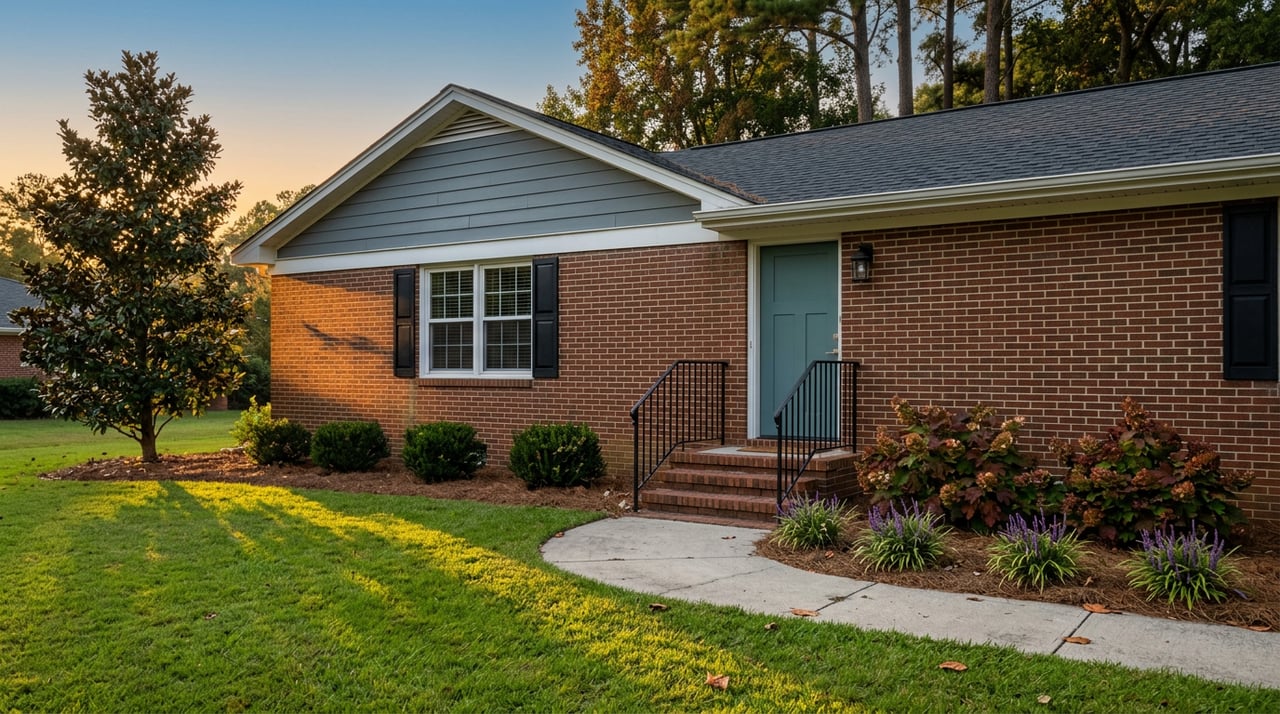
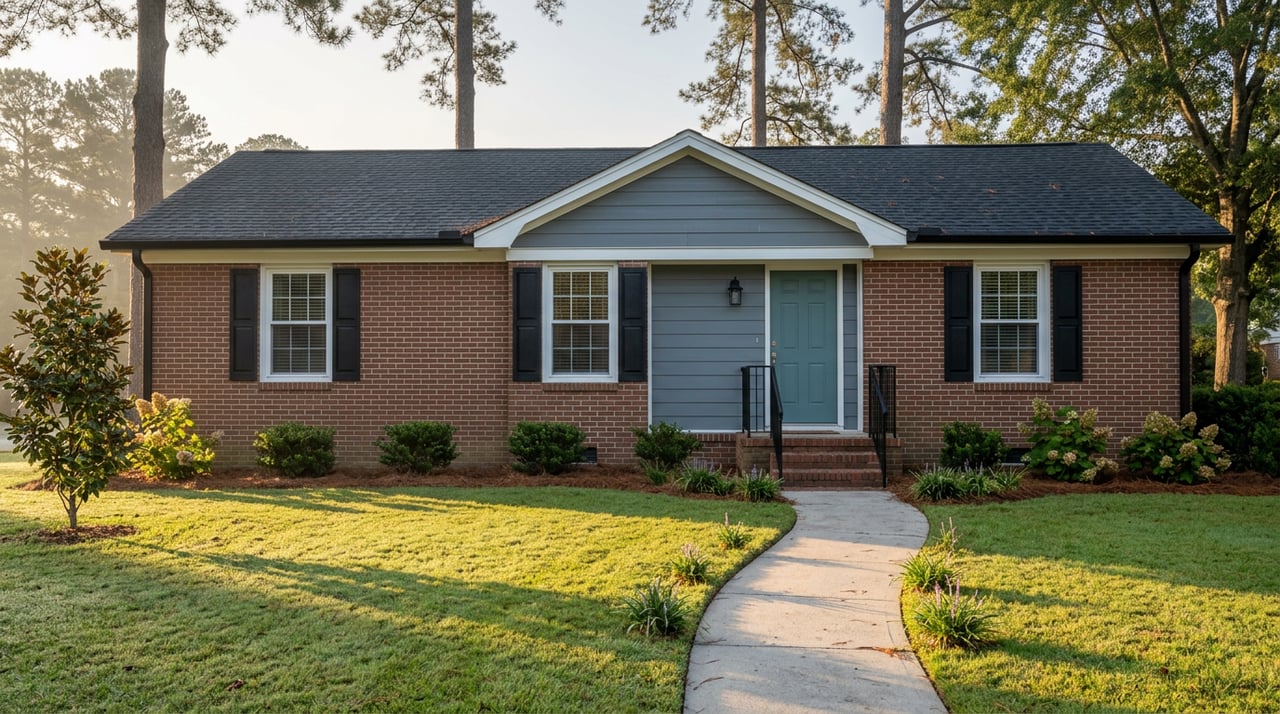
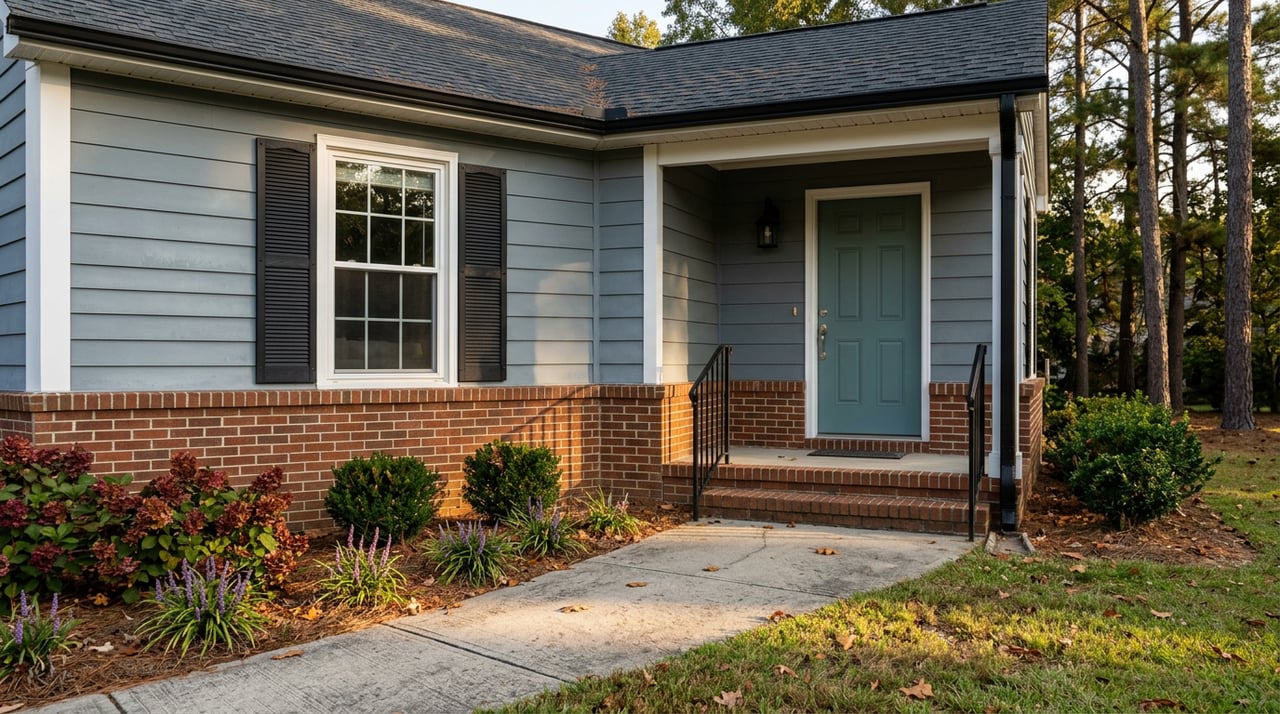
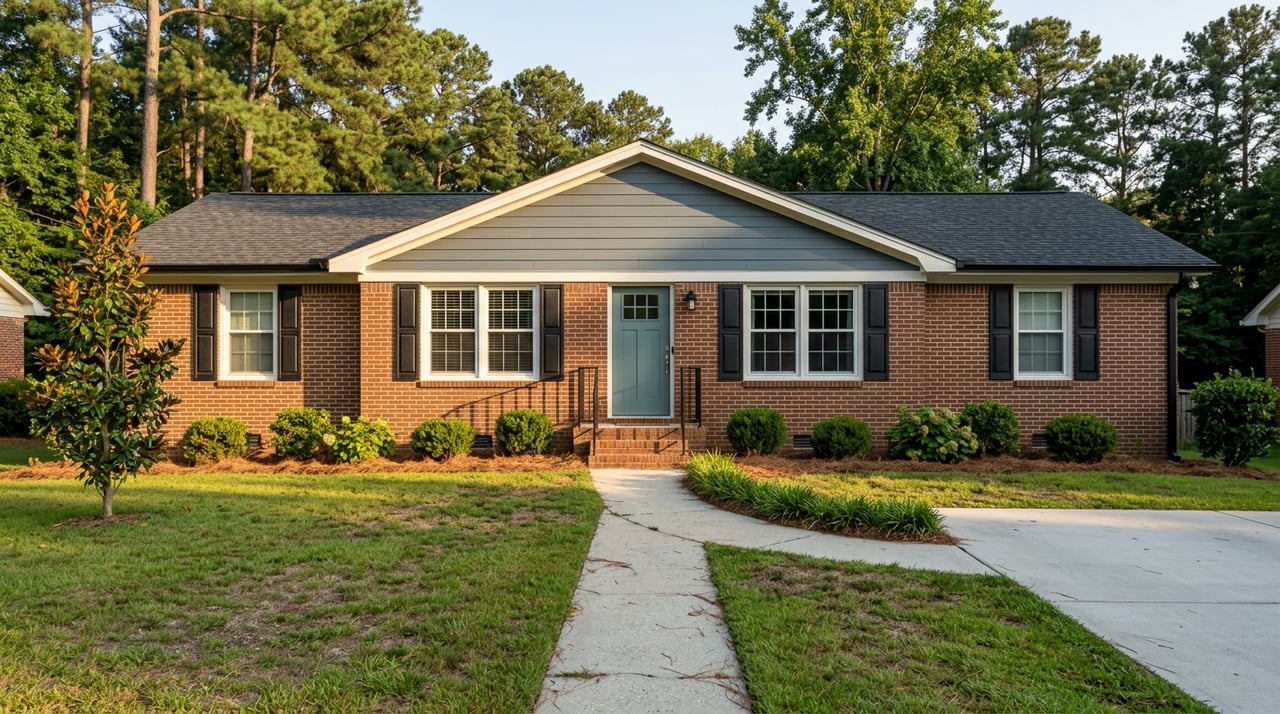
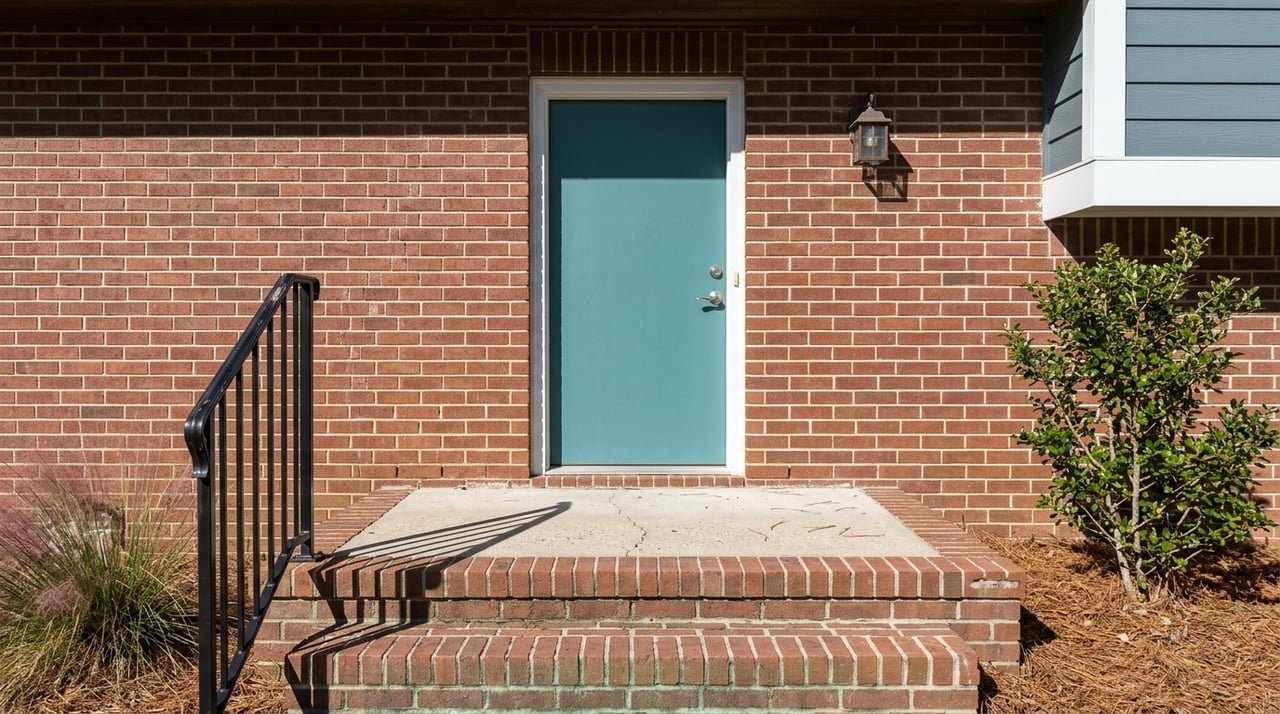
Put curb appeal at the top of your list. Entry doors, garage doors, siding condition, and basic exterior appearance often deliver stronger resale value than large interior remodels.
Keep your likely sale price in mind before you commit to a large project. In a market clustered around the mid-$200,000 range, a big remodel can eat into your equity fast without adding the same amount back to your final sale.
Address issues that can make buyers nervous, such as visible deferred maintenance, damaged surfaces, or systems that obviously need attention. These items may matter more than style upgrades because they affect how buyers view the overall condition of the home.
Before you start exterior work, structural changes, or higher-cost repairs, verify local permit requirements. This step is especially important for older homes and properties in local historic districts.
If you are considering repairs or remodeling, gather clear contractor bids before you spend anything. The NAR consumer guide to hiring a remodeling contractor recommends interviewing at least three contractors, gathering bids, and making sure the contract clearly covers scope, timeline, permits, allowances, and total cost.
That kind of planning can help you avoid over-improving your home or choosing projects that do not support your selling goals. It also gives you a realistic basis for deciding whether to repair, refresh, or sell as-is.
In Rocky Mount, you usually do not need a major remodel to sell successfully. In many cases, the better strategy is to make selective improvements that boost curb appeal, improve function, and strengthen buyer confidence without over-investing in projects with weaker resale returns.
If you want help deciding what is worth fixing before you list, Foote Real Estate Group can help you look at your home, your timeline, and your likely price point so you can make a practical plan with confidence.
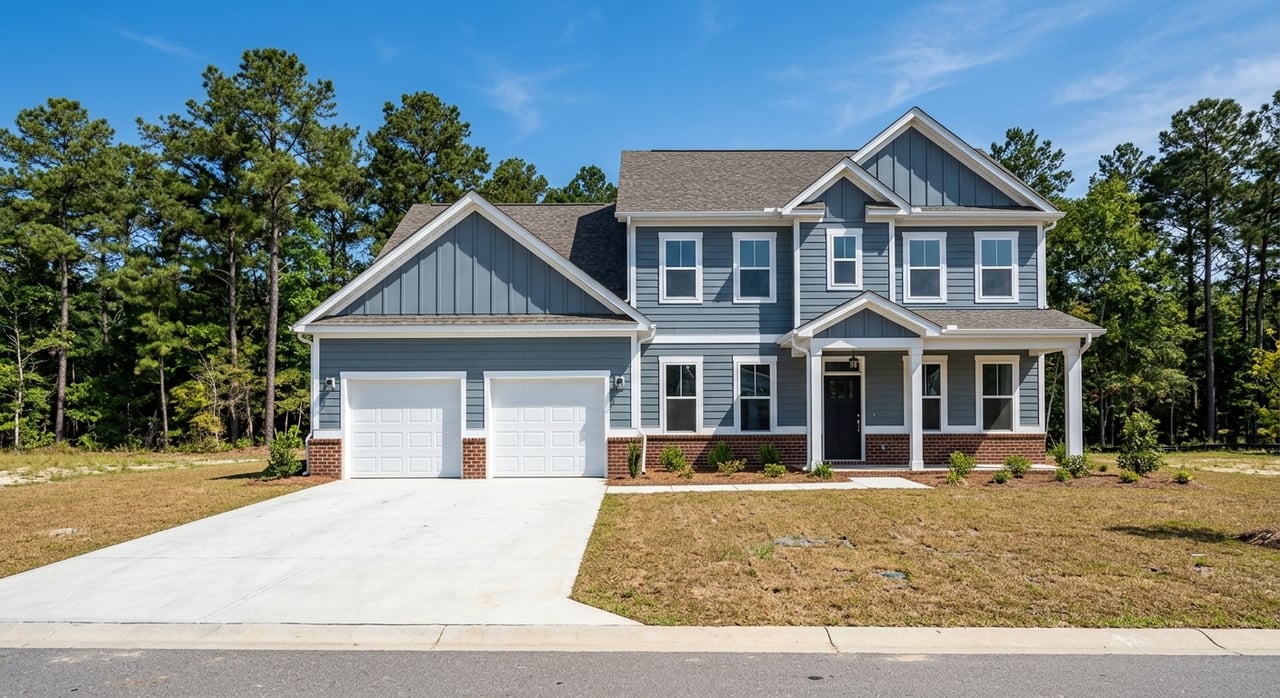
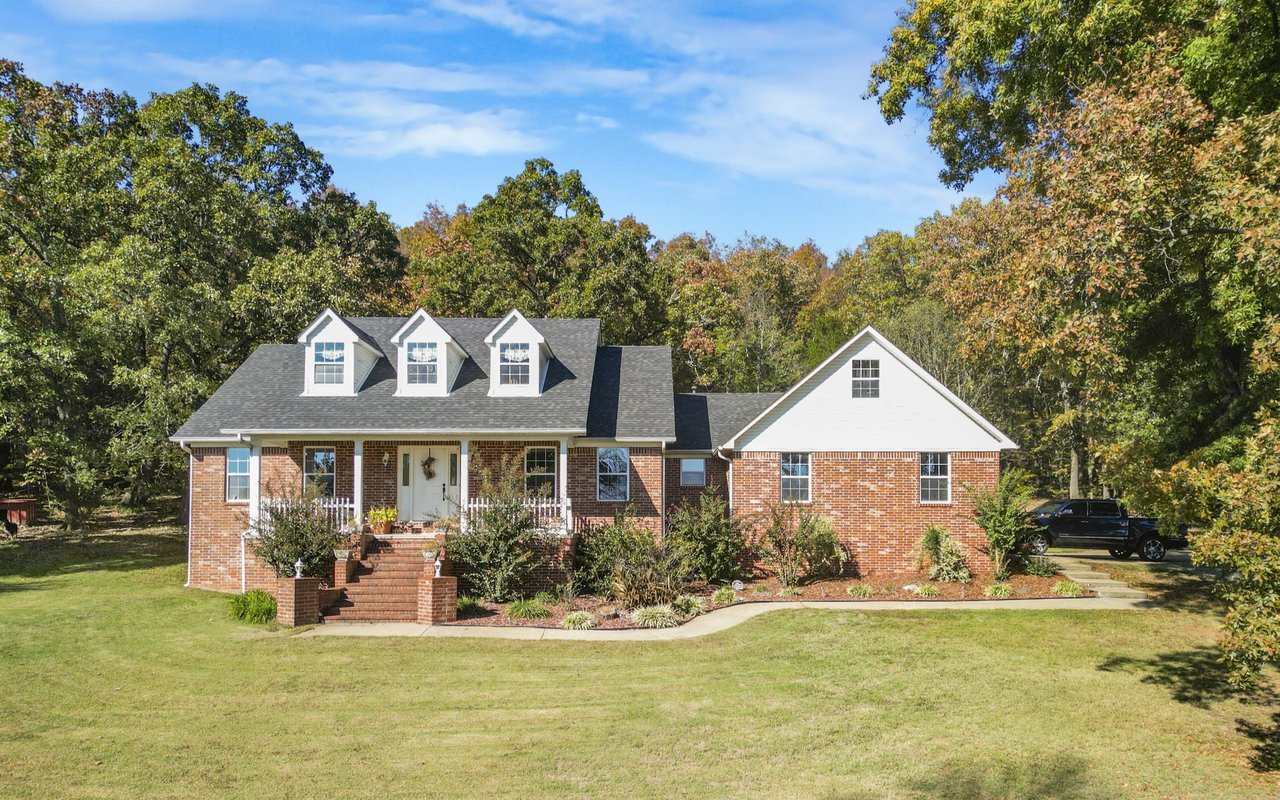
From finding the right piece of land to designing your ideal floor plan and finishes, we’ll guide you every step of the way—so you can build your dream home with confidence and stay on budget.
FOOTE & MOOREFIELD CONTRACTORS
3312 Sunset Ave Rocky Mount NC 27804