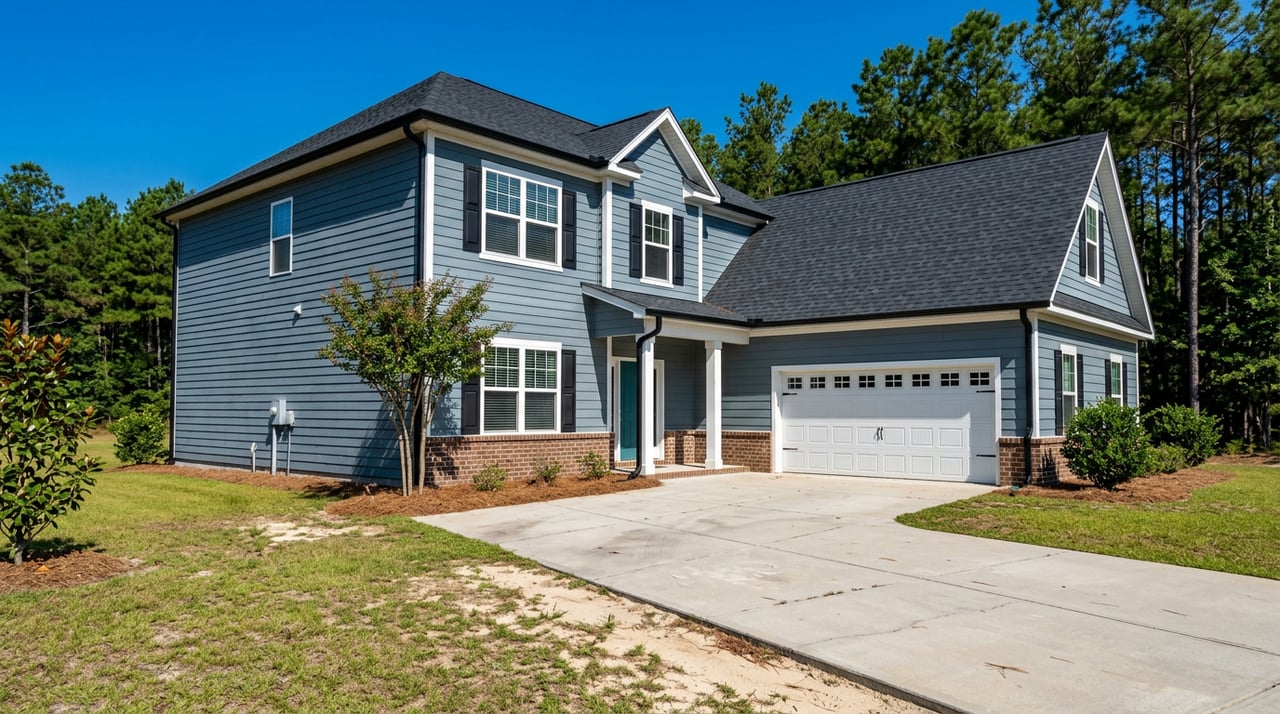
Building On Acreage In Red Oak, NC: What To Expect
March 24, 2026
March 24, 2026
Dreaming about space to spread out, room for a shop, or a long private drive through the pines? Building on acreage around Red Oak can deliver all of that, but the process is different from building in a platted subdivision. You will navigate zoning, septic and well approvals, driveway permits, and utility questions that affect what you can build and when you can start. In this guide, you will learn the key steps, timing, and local checkpoints that help you move forward with confidence. Let’s dive in.
Before you fall in love with a tract, confirm how the land is zoned and what that means for your home’s footprint. Red Oak’s rules are set in the Town of Red Oak Title IV Land Development and Usage. The zoning table lists minimum lot sizes and setbacks by district. For example, Agricultural (AG) and Rural/Residential (RL) districts show a minimum single‑family lot area of 80,000 square feet, RM/RMH show 40,000 square feet, and R‑20 shows 20,000 square feet. Always check the map and the table for your specific parcel and intended use. You can review the ordinance and dimensional standards in the town’s Title IV document here.
One important note if you want to build on larger rural lots. Where public water and sewer are not available, the county health authority can require more land area than the town minimums. That decision is tied to on‑site wastewater and well protection, and it applies to many acreage parcels. Plan for this early when you evaluate whether the lot fits your house plan and any future additions.
If you intend to split a large tract into a few homesites, Red Oak’s subdivision chapter allows applicants to request a waiver of certain requirements when creating no more than three lots larger than two acres each with no new public street right‑of‑way. This is a discretionary review and not automatic, but it can streamline minor divisions. Details are in Title IV.
Many acreage sites around Red Oak are not on sewer, so a permitted septic system is essential. Nash County Environmental Health handles septic and well permits. The county requires a site plan and a staked house location before evaluating the site. The septic application also cautions owners not to reshape soils before review since heavy clearing or grading can make a site unsuitable or force a more expensive design. You can see the application and instructions, including fee details, on the county form here.
A few practical highlights you should know:
North Carolina offers private pathways that can help in certain situations. The Authorized On‑Site Wastewater Evaluator (AOWE) option and the Engineer Option Permit (EOP) allow qualified private professionals to evaluate and design systems under state procedures. If you use these paths, confirm the professional is acceptable to the county and follow submittal rules. You can read about AOWE and EOP on the NC On‑Site Water Protection Branch site here.
Nash County Public Utilities is extending the Northern Nash Water System to reach parts of Red Oak and Dortches. County materials state that new construction must connect once service is available in your area, and the county provides fee information and a sample monthly bill estimate around $48 based on typical usage. If your land is inside the future service area, plan for tap fees and a mandatory connection when the line goes live. Review the project and FAQs on the county’s Public Utilities page here.
Sewer coverage in and around Red Oak is limited. If a parcel is served by sewer, rules and lot sizes may differ. Confirm sewer availability with the county or town during due diligence.
Electric service in the Red Oak area is primarily from Duke Energy Progress. There is no town‑wide natural gas distribution, so many acreage owners choose propane if they want gas appliances. Broadband availability is highly address specific in rural areas. Always run address checks with major providers or explore fixed‑wireless and satellite options if wireline is not available.
If your driveway will connect to an NCDOT maintained road, you must obtain a driveway or highway entrance permit. NCDOT applies technical standards for sight distance, spacing, and culvert sizing. Reviews can take several weeks and may require plan tweaks or entrance improvements. You can read the state’s driveway permit guidance here.
If your access is via a private road or shared driveway, make sure maintenance responsibilities are documented on the plat or in recorded covenants. The town’s subdivision rules address private roadway maintenance language during minor divisions, and reviewers will coordinate with Environmental Health and NCDOT when needed.
A quick desktop screen can save time. Use FEMA’s Flood Map Service Center to check whether any part of the parcel sits in a Special Flood Hazard Area. If so, additional local flood development permits may apply, and lenders typically require flood insurance for regulated mortgages. Look up your parcel at the FEMA site here.
Next, review the USDA NRCS Web Soil Survey to get a preliminary read on septic suitability and potential constraints like shallow water tables or steep slopes. Soil maps are a screening tool only, but they help you budget for alternatives if needed. See a sample soil suitability output used locally here.
If you suspect wetlands or see saturated ground outside obvious stream areas, plan for a formal wetland delineation by a qualified consultant before you finalize house placement.
While each project is unique, most acreage builds follow a similar path in Nash County:
Overall, building on acreage usually takes longer than starting in a subdivision because each lot requires site‑specific evaluations and sometimes engineered solutions. Build schedule cushions into your plan.
Use this quick checklist to protect your timeline and budget when you write an offer on acreage in Red Oak:
Your first calls should be to Nash County Environmental Health for septic and well guidance, Nash County Public Utilities for water service questions, and the Town of Red Oak or county planning staff for zoning checks. Then line up your surveyor, septic professional, and builder so the site plan, evaluation, and permitting can run in sequence.
If you want a single partner to coordinate land search, due diligence, builder introductions, and permitting steps, connect with the local team at Foote Real Estate Group. We help you verify the right tract, line up the right experts, and keep your build moving.
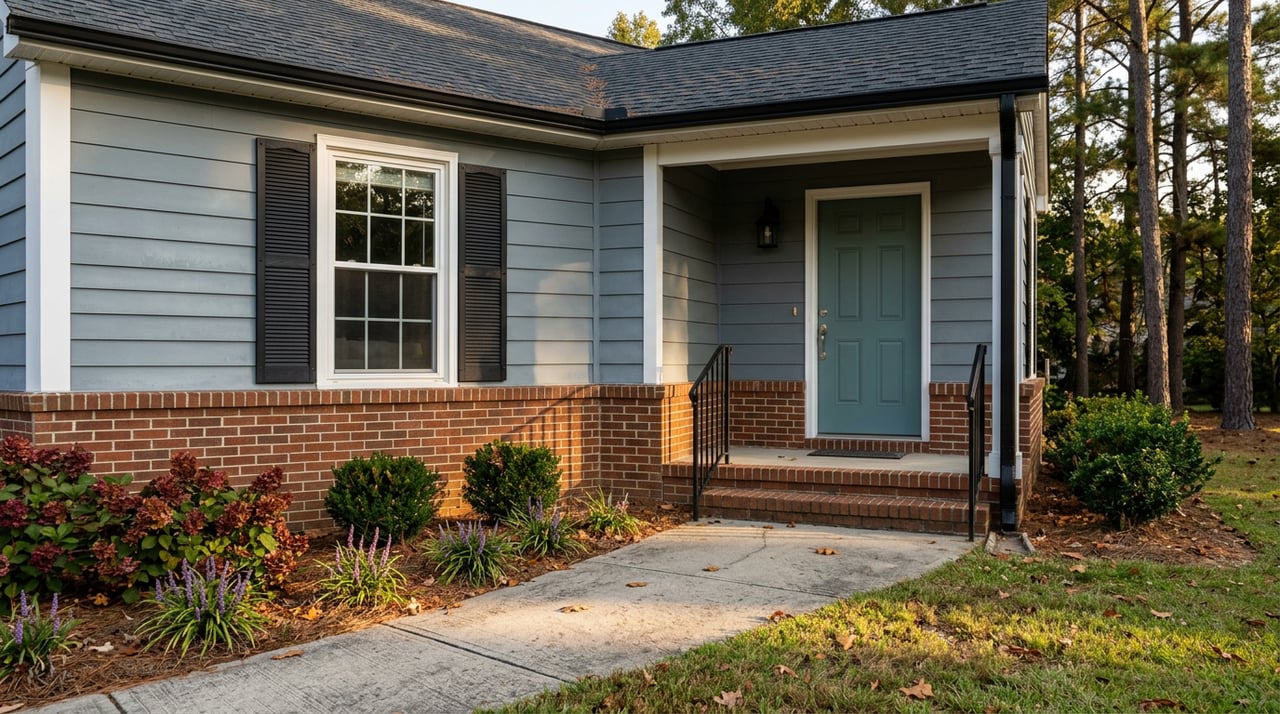
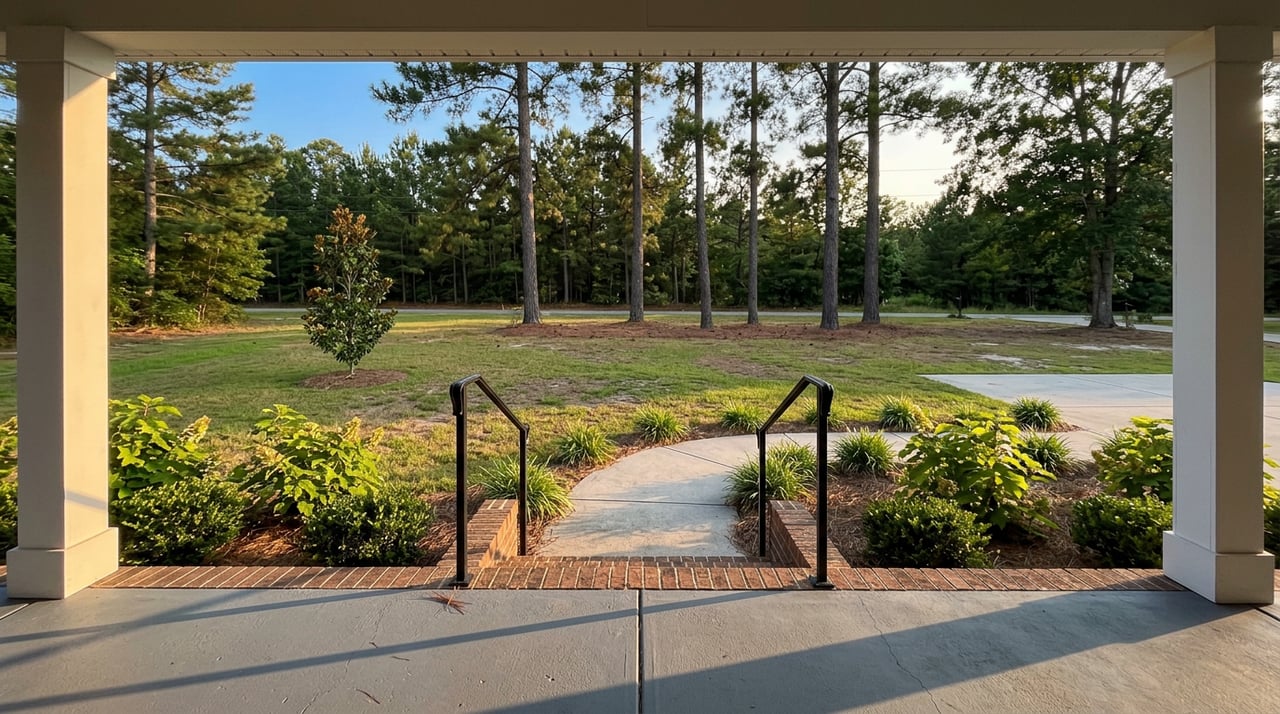
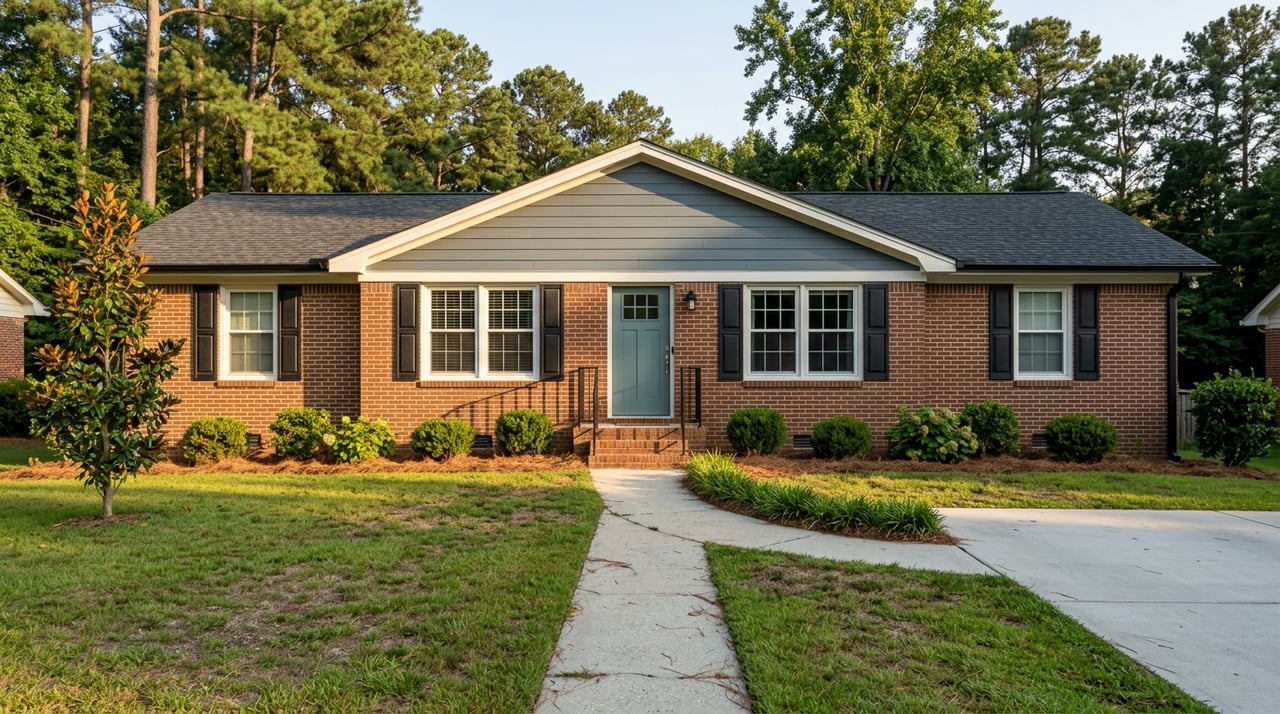
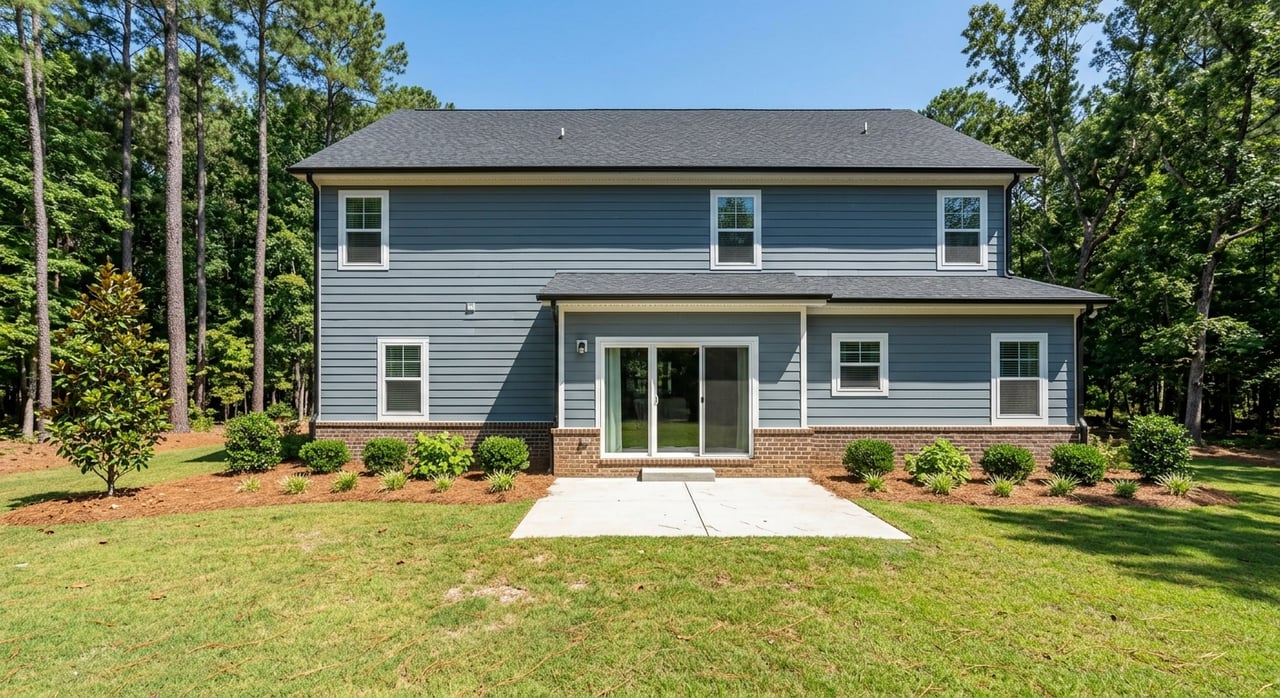
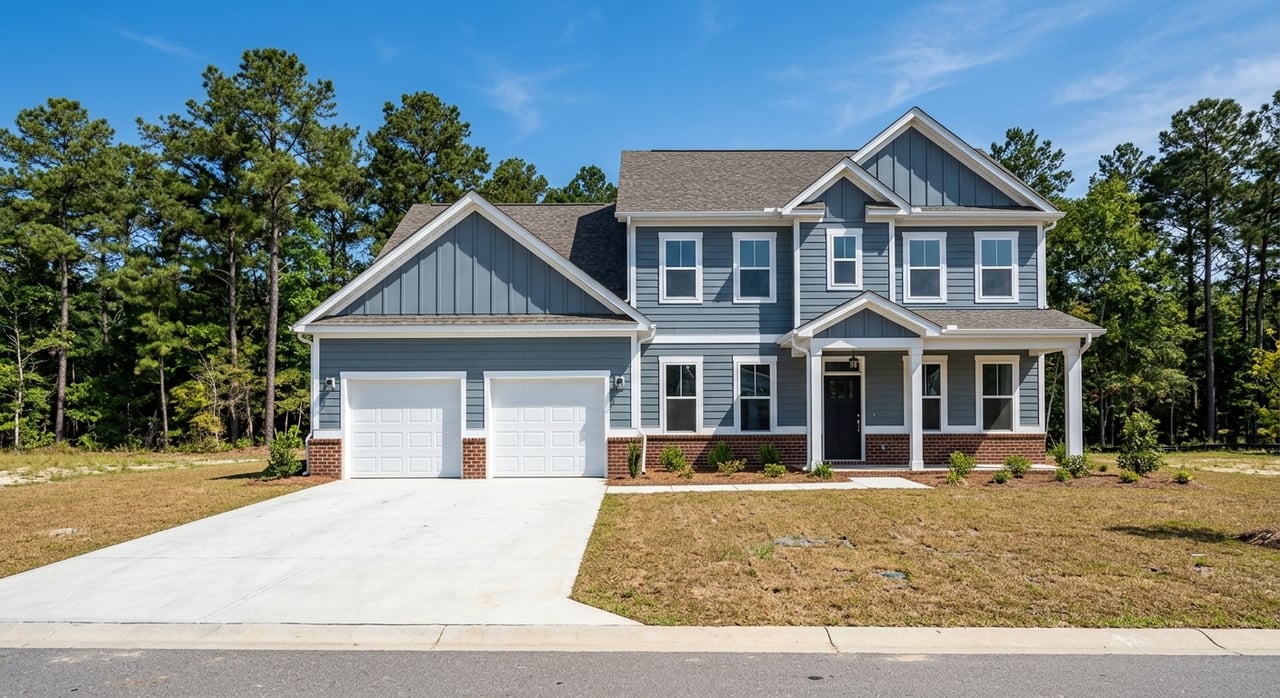
From finding the right piece of land to designing your ideal floor plan and finishes, we’ll guide you every step of the way—so you can build your dream home with confidence and stay on budget.
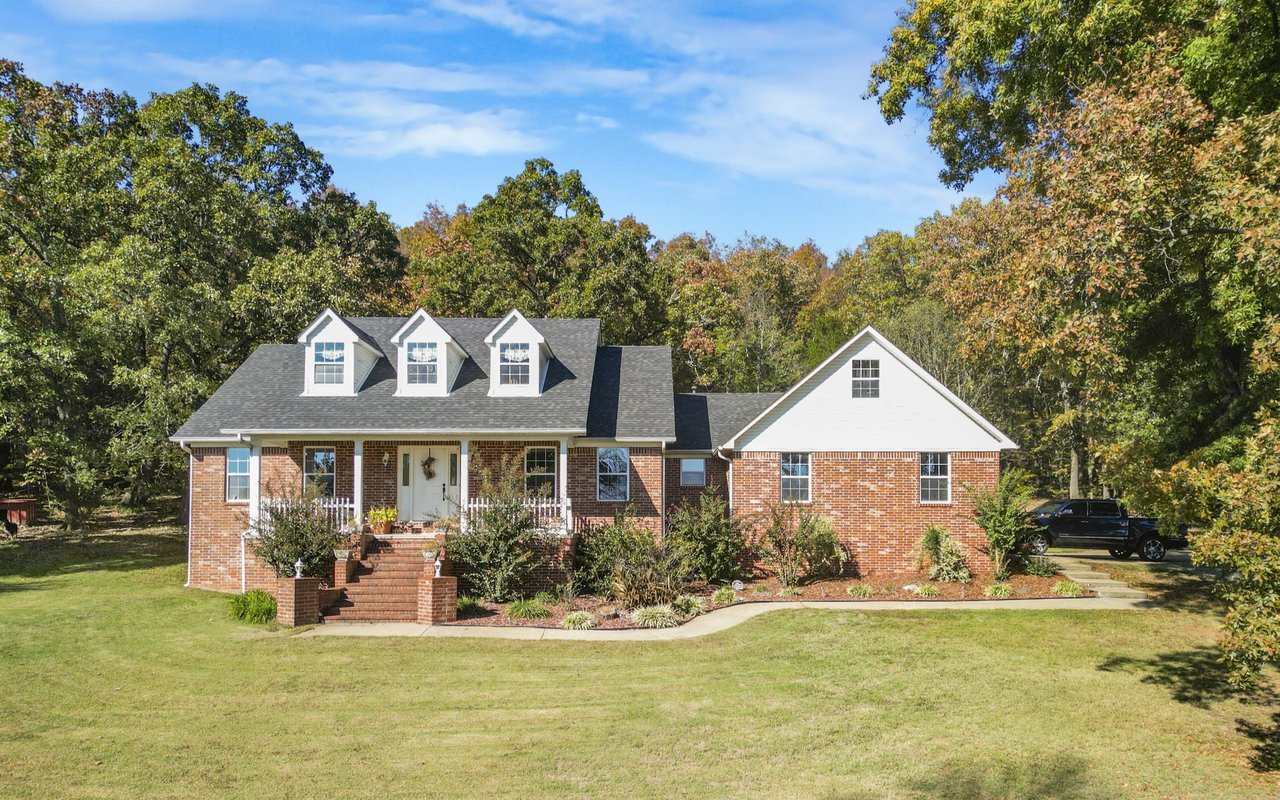
FOOTE & MOOREFIELD CONTRACTORS
3312 Sunset Ave Rocky Mount NC 27804