House Hacking And Multi-Generational Living Ideas In Wake County
April 2, 2026
April 2, 2026
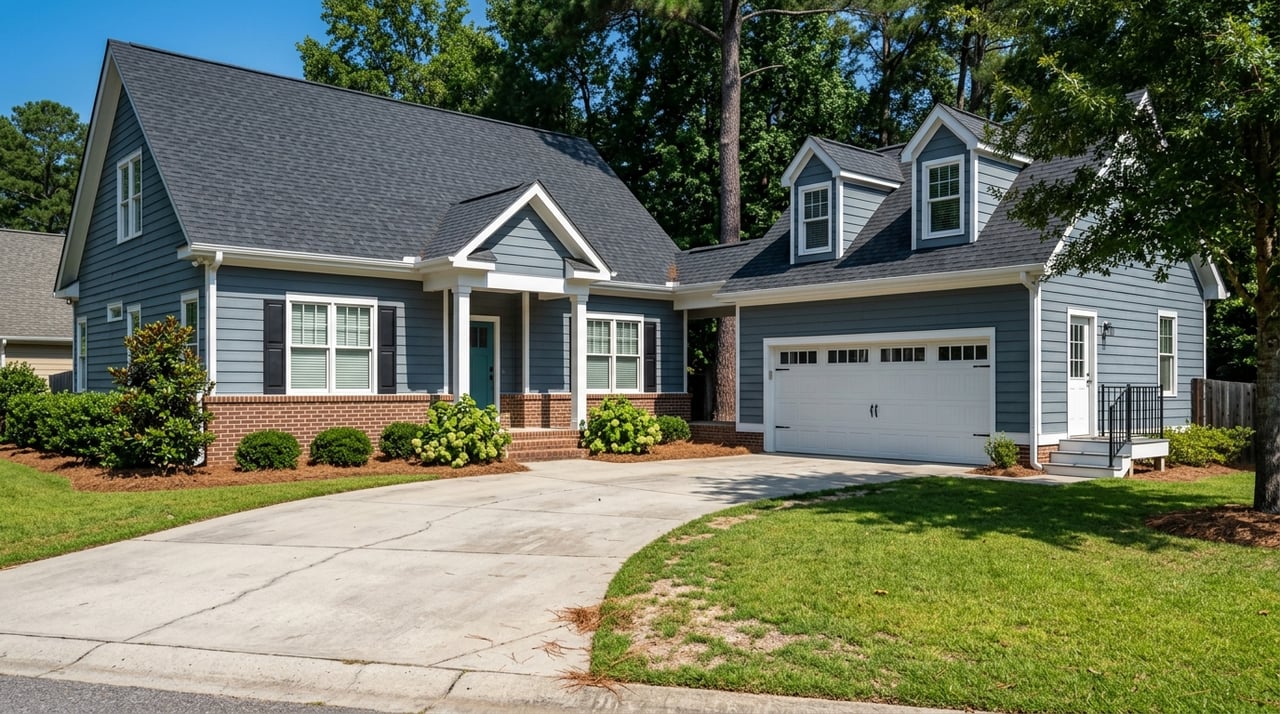
If home prices and monthly housing costs have you thinking more creatively, you are not alone. In Wake County, where the median owner-occupied home value is $461,300 and median gross rent is $1,623, many buyers are looking for ways to make a home work harder for their budget and their family needs. Whether you want to offset costs with rental income or create space for relatives under one roof, this guide will walk you through practical house hacking and multigenerational living ideas in Wake County. Let’s dive in.
Wake County is a large and growing market, with an estimated 1,257,235 residents and 460,175 households as of July 2025, according to Census QuickFacts. With housing costs where they are today, it makes sense that more buyers are exploring flexible ways to use a property.
House hacking usually means you live in one portion of a home while renting out another portion to help cover your mortgage or ownership costs. Multigenerational living is also common, with the Census Bureau and Pew reporting millions of Americans living in multigenerational households in recent years, as noted in this overview of house hacking and multigenerational living trends.
House hacking does not always mean buying a large duplex or a highly specialized property. In Wake County, it often looks more practical than that, especially when local rules allow internal or accessory units in certain situations.
Common setups include:
In Raleigh, for example, the city allows detached, attached, and internal accessory dwelling units, including units in basements or above garages, under its ADU rules and building guidance. That opens up more possibilities for buyers who are willing to think beyond a standard floor plan.
If your goal is family flexibility rather than rental income, many of the same property features still apply. The biggest difference is how you plan to use the space day to day.
A strong multigenerational setup usually gives everyone a little privacy while keeping the household connected. In many cases, the best fit is a self-contained suite with a kitchen, full bath, and separate entrance, which lines up with how Raleigh and Wake Forest define or regulate accessory dwellings through their local ADU standards and permit instructions.
Not every home can easily support house hacking or multigenerational living. When you are searching in Wake County, it helps to focus on physical features that make a future conversion or shared setup more realistic.
Basements, attic areas, bonus rooms, and above-garage spaces can offer a strong starting point. Raleigh specifically notes that ADUs may be created in basements, above garages, attached additions, and internal conversions through its Accessory Dwelling Unit program.
That does not mean every basement or garage conversion is automatically allowed. It does mean those layouts may offer more potential than a home with no extra space to rework.
A separate entrance can make a big difference for both renters and extended family. Raleigh requires a lockable external entrance for ADUs, and Wake Forest allows internal apartments with a private outside entrance on the side or rear under its accessory dwelling standards.
From a practical standpoint, this feature also helps create boundaries, privacy, and smoother day-to-day living. That matters whether you are sharing space with tenants or relatives.
Detached units and backyard cottages depend heavily on the lot itself. You will want to think about setbacks, parking, access, and where a second structure could realistically fit.
For example, Cary allows ADUs in all residential zoning districts where detached dwellings are allowed, but its ADU rules still include size limits and at least one off-street parking space. Wake Forest also requires detached accessory dwellings to be in the side or rear yard under its permit instructions.
Utility capacity is easy to overlook when you are focused on layout and design. In reality, water, sewer, electric, septic, and HVAC details can shape what is possible.
Raleigh notes that utility meters are generally individual unless utilities are included in rent, and homes on private well or septic systems may need additional review before permits are issued, according to the city’s residential ADU building code guidance. If septic is involved, local approval may also be needed under North Carolina law and county environmental review standards outlined in Session Law 2023-77.
One of the biggest mistakes buyers make is assuming that “Wake County rules” are the only rules that matter. In practice, the property’s exact municipality and zoning district are critical.
A home in Raleigh, Cary, or Wake Forest may have very different standards for accessory dwellings, parking, setbacks, size, and placement. That is why zoning should be verified with the correct local jurisdiction before you count on a property for house hacking or multigenerational use.
Raleigh allows ADUs in several zoning districts, including R-1, R-2, R-4, R-6, R-10, RX, OX, NX, DX, and CX, based on the city’s ADU code and permit guidance. The city allows detached, attached, and internal units, including basement and above-garage options.
There are also important limits. Raleigh generally caps ADUs at 800 square feet, usually allows only one ADU per lot, and requires a lockable external entrance. The city also notes code requirements for egress, fire separation, and other structural details that can affect garage, attic, and basement conversions.
Cary expanded ADU opportunities through its 2025 ACT 32 update. The town says ADUs are allowed in all residential zoning districts where detached dwellings are permitted, according to its ADU information page.
Cary also limits ADU size to the lesser of 50% of the principal dwelling’s heated floor area, 800 square feet on lots under 40,000 square feet, or 1,000 square feet on larger lots. At least one off-street parking space is required, and HOA rules may still restrict what is possible even if zoning allows it.
Wake Forest allows one accessory dwelling per lot, with detached units located in the side or rear yard, according to the town’s permit instructions. The unit must remain subordinate to the main home and compatible in exterior appearance.
Wake Forest also requires a complete kitchen, a full bath, and one additional off-street parking space. The town specifically prohibits manufactured housing, campers, travel trailers, and recreational vehicles as accessory dwellings.
If you find a home with good bones but not the perfect layout, a renovation may bridge the gap. This is where planning matters, because a workable idea on paper still has to meet code and permitting standards.
In Wake County, the most common paths include:
Raleigh’s ADU permit guidance specifically addresses these common conversion types. For buyers who want to create a flexible setup over time, that can open the door to properties that need vision rather than a fully finished in-law suite on day one.
A home can look perfect for house hacking or multigenerational living and still fall short once you verify the details. Before you move forward, it helps to work through a short checklist.
Do not assume a listing description tells the full story. Terms like “in-law suite,” “garage apartment,” or “basement kitchen” do not automatically confirm legal status or future rental use.
Instead, verify the exact jurisdiction, zoning district, and any local ADU standards that apply. Raleigh’s guidance makes clear that an accessory unit has to meet the city’s specific zoning and code requirements.
If a seller has already converted a garage, basement, or addition, ask whether permits were pulled and final approvals were issued. Existing improvements may still need review if you plan to use them differently in the future.
This step is especially important if you are counting on rental income or separate family occupancy from day one. A finished room is not always the same thing as a compliant dwelling space.
Insurance is another smart early check. The North Carolina Department of Insurance explains that homeowners policies are designed for owner-occupied single-family dwellings, while dwelling policies are designed for non-owner-occupied residences of up to four units, which is why owners should review coverage with an agent before starting any rental arrangement. You can see that distinction in the department’s basic homeowners insurance guidance.
If you are serious about a specific property, early conversations can save time and money. Raleigh offers residential appointments where staff can answer questions about setbacks, elevations, and structural components.
That kind of pre-purchase reality check can help you avoid buying a home based on plans that may not actually be feasible. It can also help you understand what renovation path makes the most sense.
The best house hacking and multigenerational living opportunities in Wake County usually come from matching your goals to the right home, lot, and jurisdiction. Some buyers need a ready-to-use suite for family. Others are willing to buy a standard single-family home with unfinished space and improve it over time.
Either way, the details matter. Layout, lot configuration, private access, parking, utilities, zoning, and permit history all play a role in whether a property will support your plan.
If you want help finding a home with the right setup or evaluating whether a property has renovation potential, Foote Real Estate Group can help you think through both the real estate side and the practical build side so you can move forward with more confidence.
From finding the right piece of land to designing your ideal floor plan and finishes, we’ll guide you every step of the way—so you can build your dream home with confidence and stay on budget.
FOOTE & MOOREFIELD CONTRACTORS
3312 Sunset Ave Rocky Mount NC 27804