Curious what kinds of homes you’ll actually find in Rocky Mount? If you’re exploring neighborhoods across Nash and Edgecombe counties, the mix of historic charm, mid‑century classics, and newer builds can feel overwhelming. You want a clear picture of styles, where they’re concentrated, and the practical pros and cons. This guide walks you through the most common home types, what features to expect, and buyer tips to keep your search focused. Let’s dive in.
What you’ll see around town
Rocky Mount offers a blend of late‑19th and early‑20th‑century homes near the historic core, mid‑century neighborhoods that spread out from the city center, and newer subdivisions along highway corridors. Most options are single‑family detached homes, with smaller pockets of townhome or condo conversions, manufactured homes on the outskirts, and a few loft‑style conversions in former mill buildings.
The city spans both Nash and Edgecombe counties, so property records, taxes, and some permitting can vary by location. In the historic core, local preservation guidelines may influence exterior changes and additions.
Styles by era and what to expect
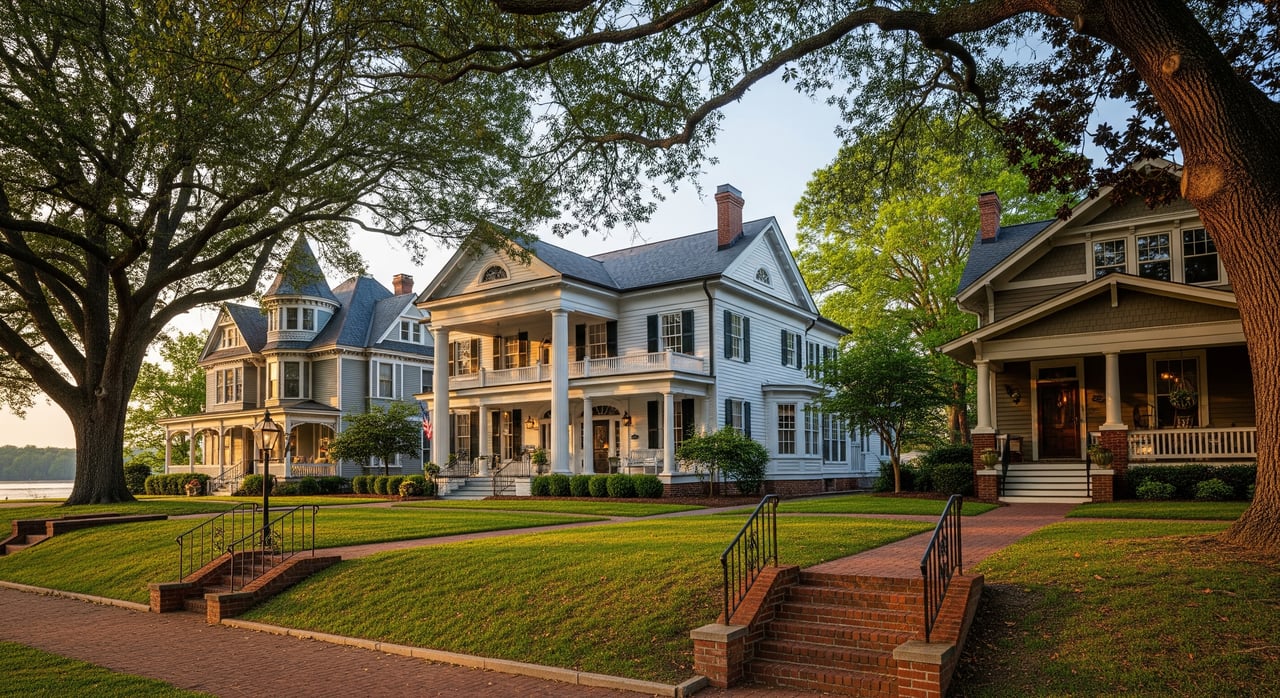
Victorian, Queen Anne, Colonial Revival
- Where you’ll find them: Historic downtown districts and near the Tar River.
- Typical features: Irregular rooflines, broad porches, decorative trim, wood framing; often two to three stories with formal rooms and compact kitchens.
- Buyer notes: Historic details may be intact or altered. Renovations can involve electrical, plumbing, and insulation upgrades. Some homes may fall under local preservation review.
Mill‑village cottages
- Where you’ll find them: Close to former mill sites and river corridors.
- Typical features: Modest one to one‑and‑a‑half story homes, front porches, small lots, simple floor plans.
- Buyer notes: Smaller square footage can be budget‑friendly. Many need modernization, which can be a good fit for first‑time buyers or investors.
Craftsman and Bungalow
- Where you’ll find them: Early‑20th‑century neighborhoods near the city center.
- Typical features: Low‑pitched gable roofs, wide porches, exposed rafters, built‑ins; usually one to one‑and‑a‑half stories.
- Buyer notes: Character sells, but wood elements and older systems may need ongoing care. One‑level living is common.
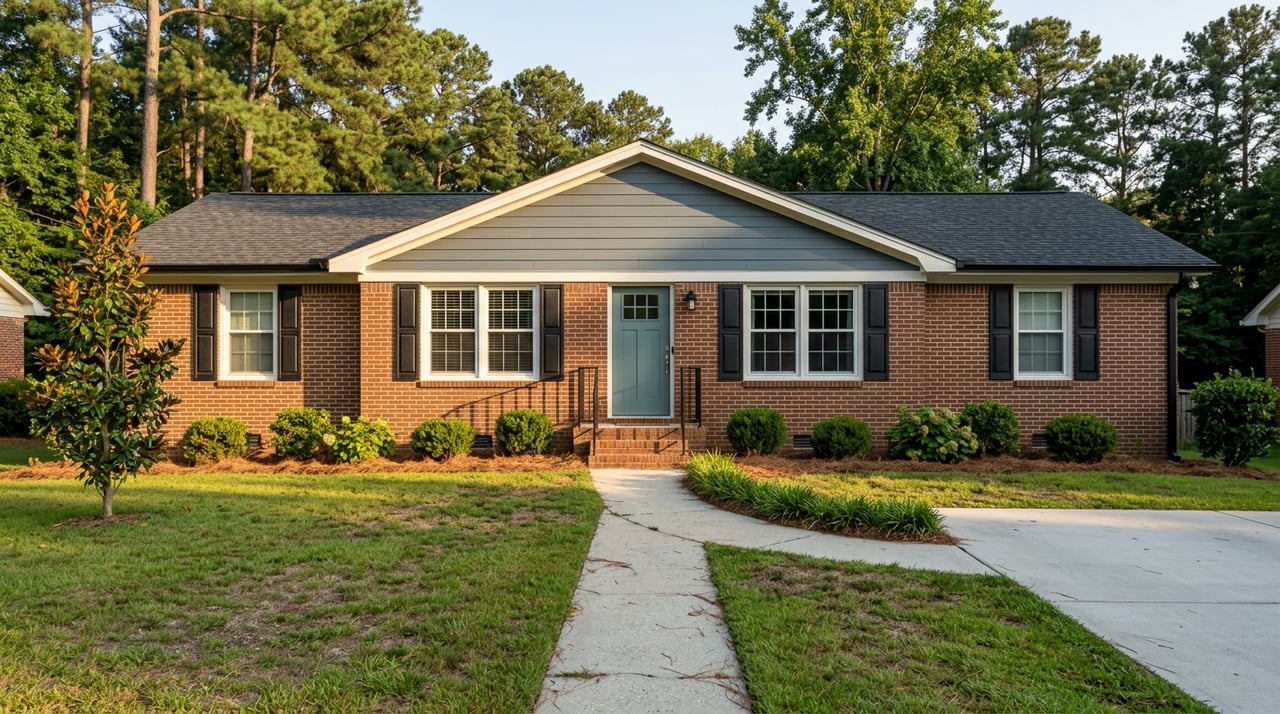
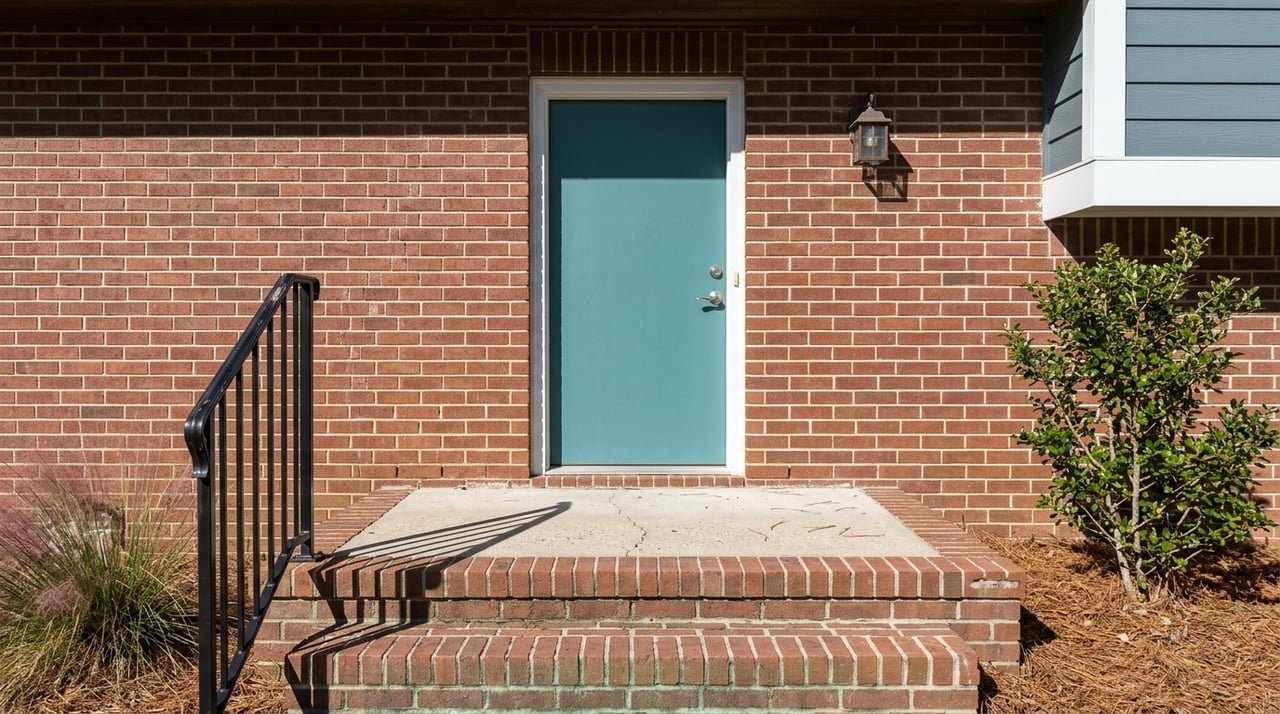
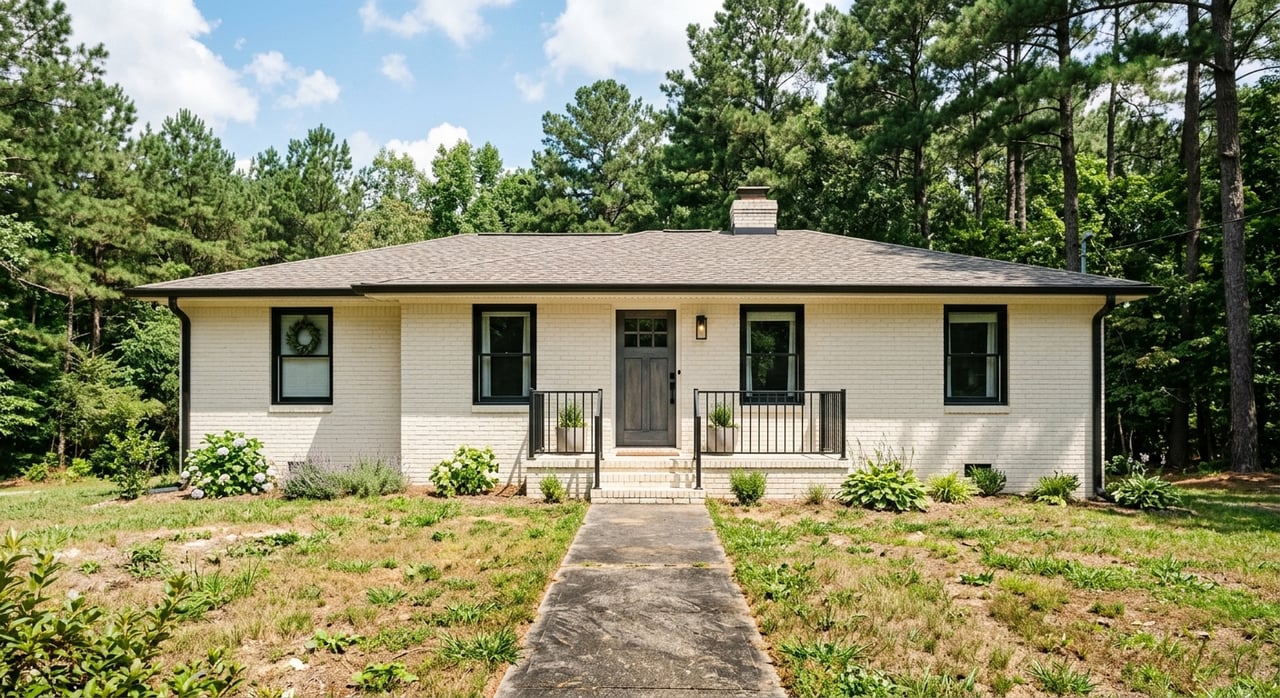
Brick ranch and split‑level
- Where you’ll find them: Established mid‑century neighborhoods throughout the city.
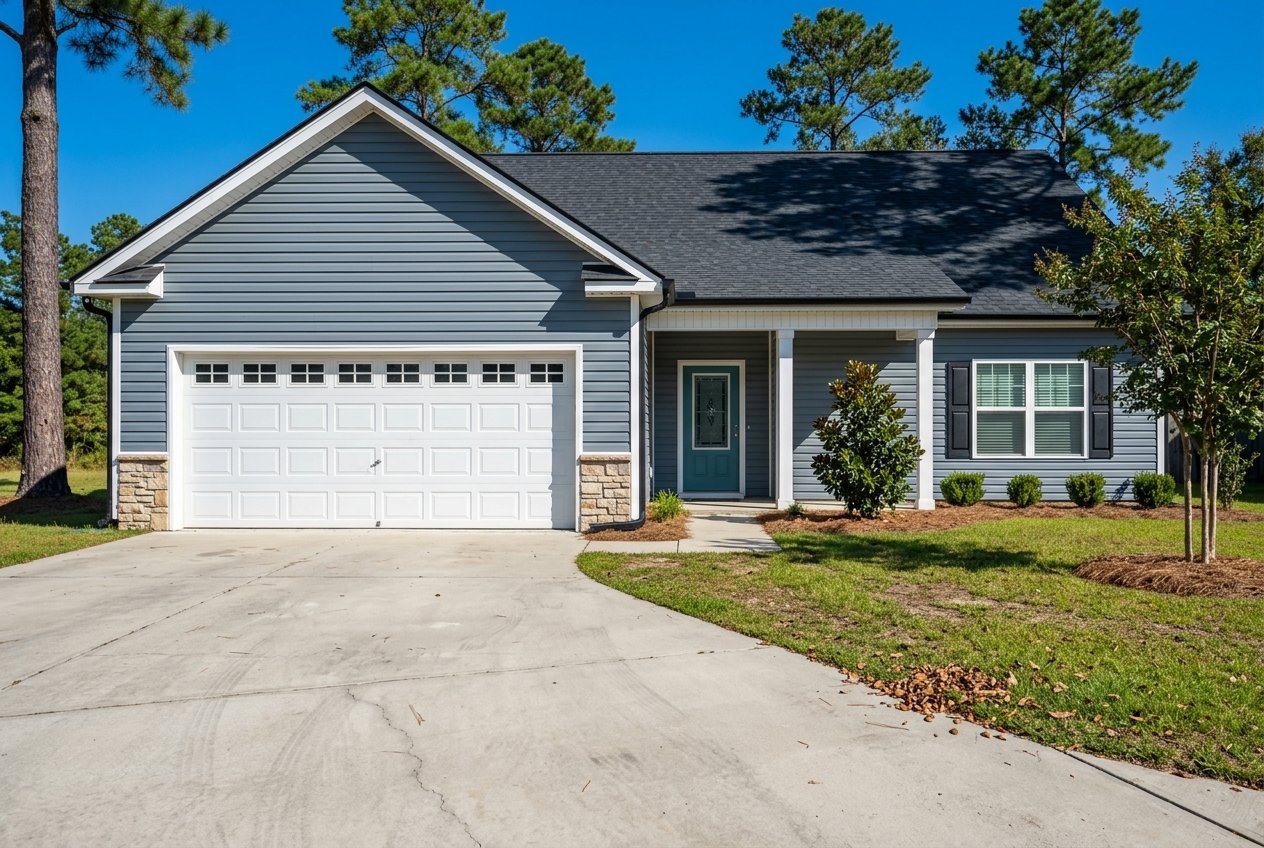
- Typical features: Brick veneer ranches on slab or crawlspace foundations; split‑levels with separate living zones and more bedrooms.
- Buyer notes: Great for single‑story living. Basements are uncommon in the coastal plain, so don’t expect finished basements.
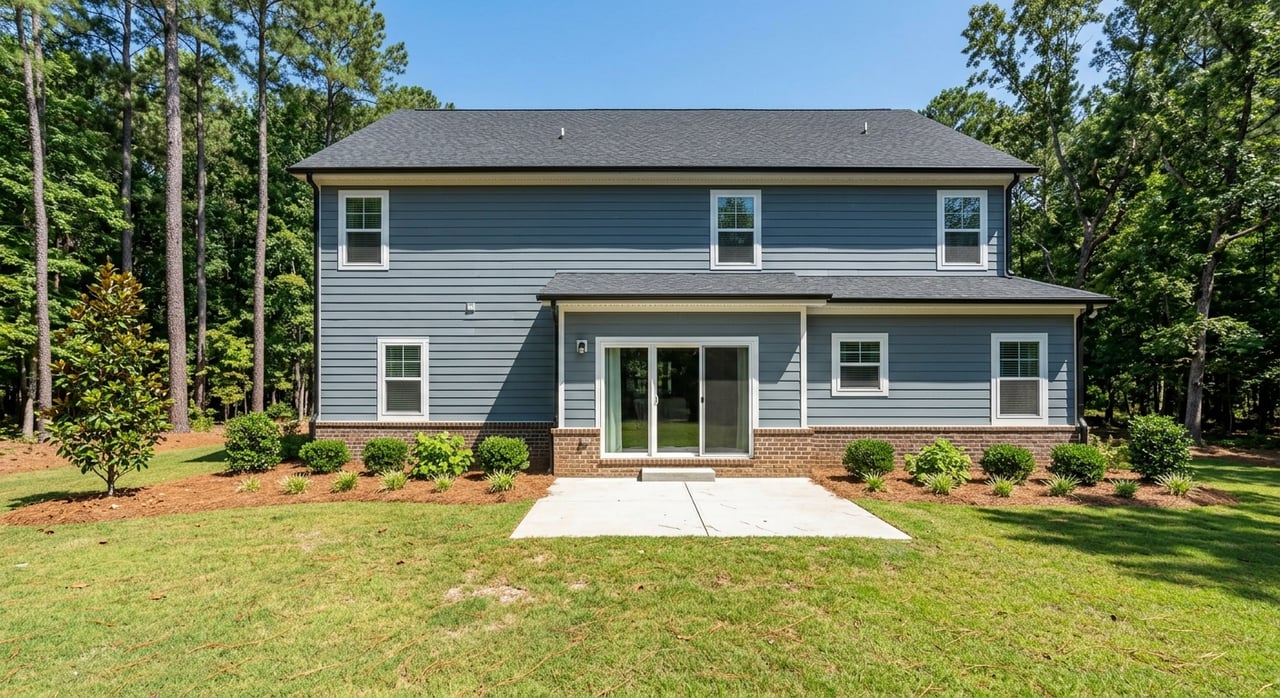
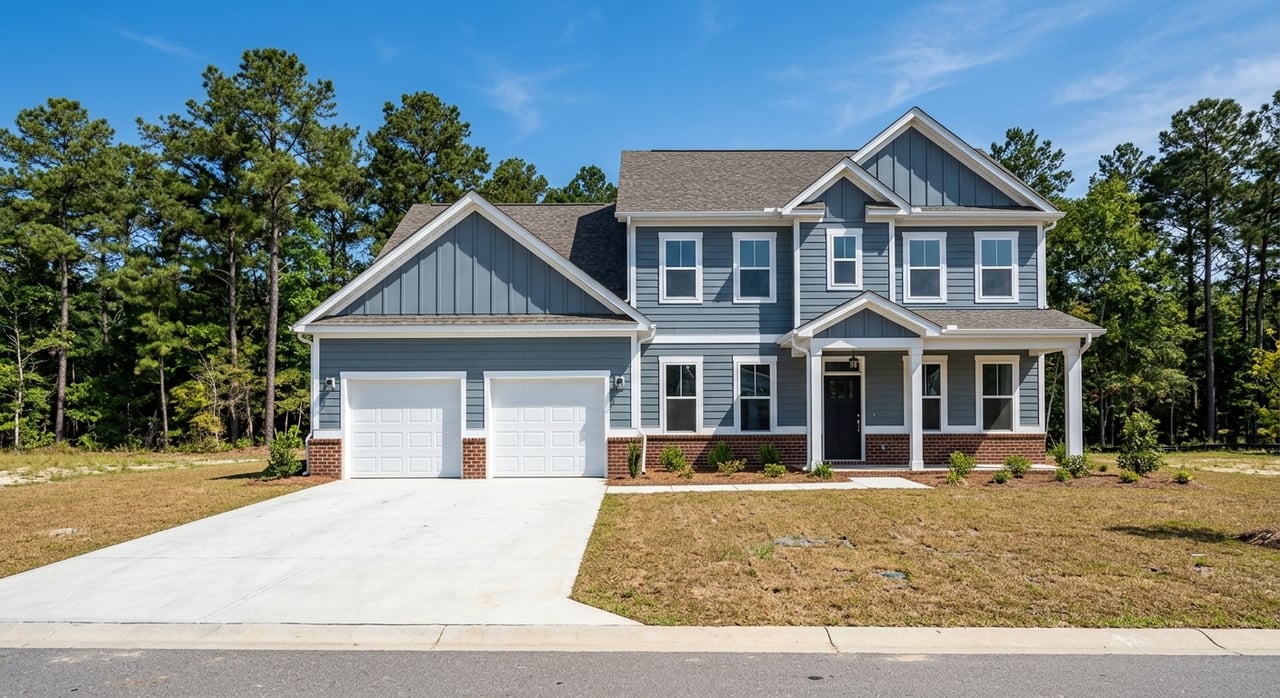
Traditional/Neo‑Colonial and suburban tract homes
- Where you’ll find them: Newer subdivisions around the city edges and along major corridors.
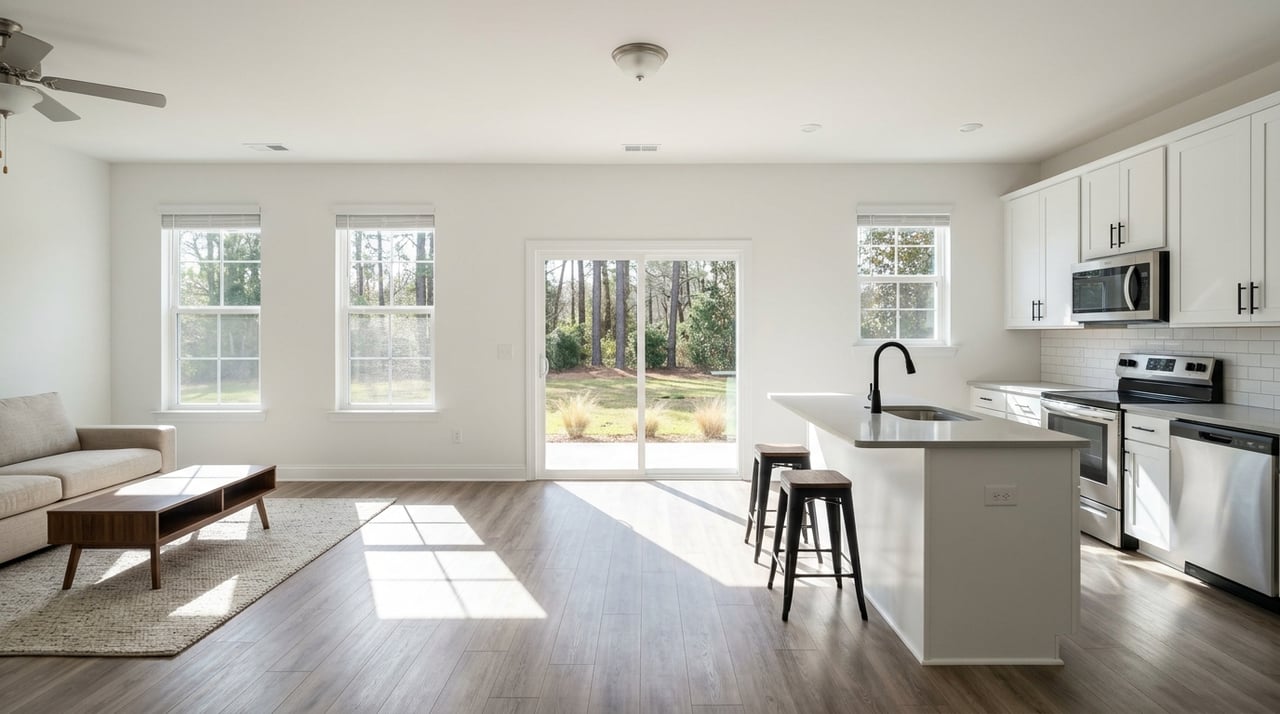
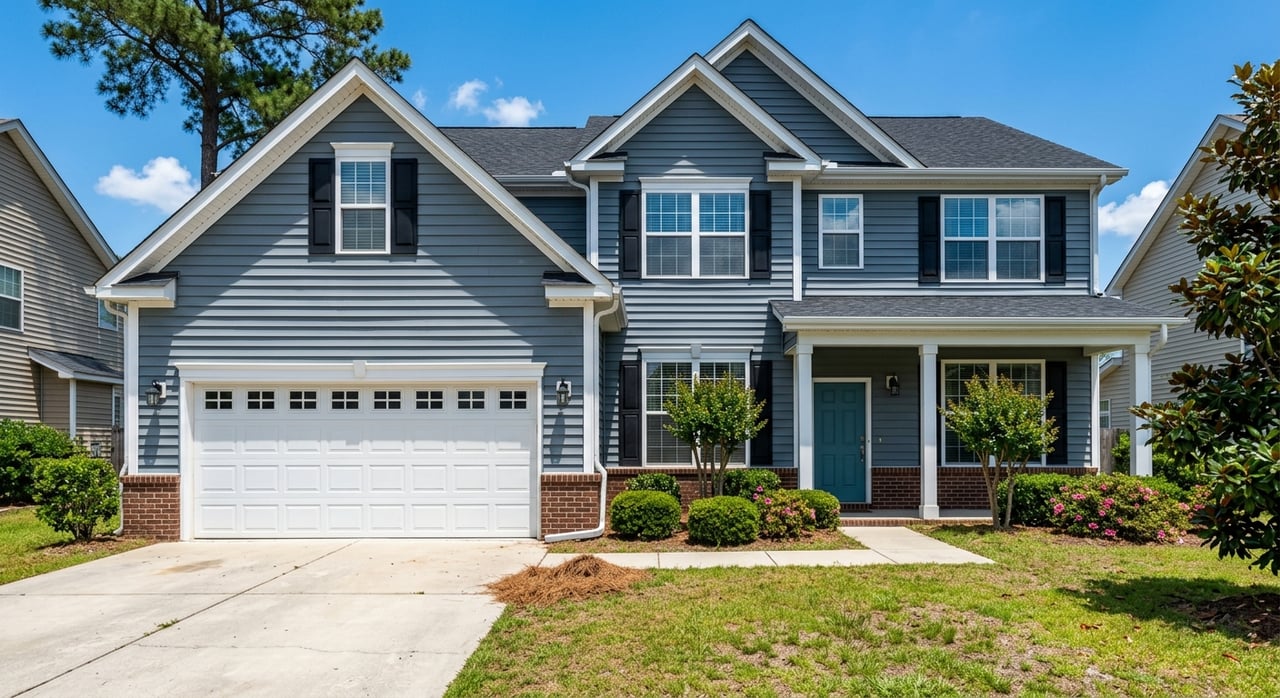
- Typical features: Two‑story layouts, attached garages, open kitchens, and modern systems; cul‑de‑sacs and typical suburban lot sizes.
- Buyer notes: Lower immediate maintenance. Materials and finishes vary by builder. Check warranty status on newer builds.
Farmhouses and rural properties
- Where you’ll find them: Unincorporated areas of Nash and Edgecombe counties.
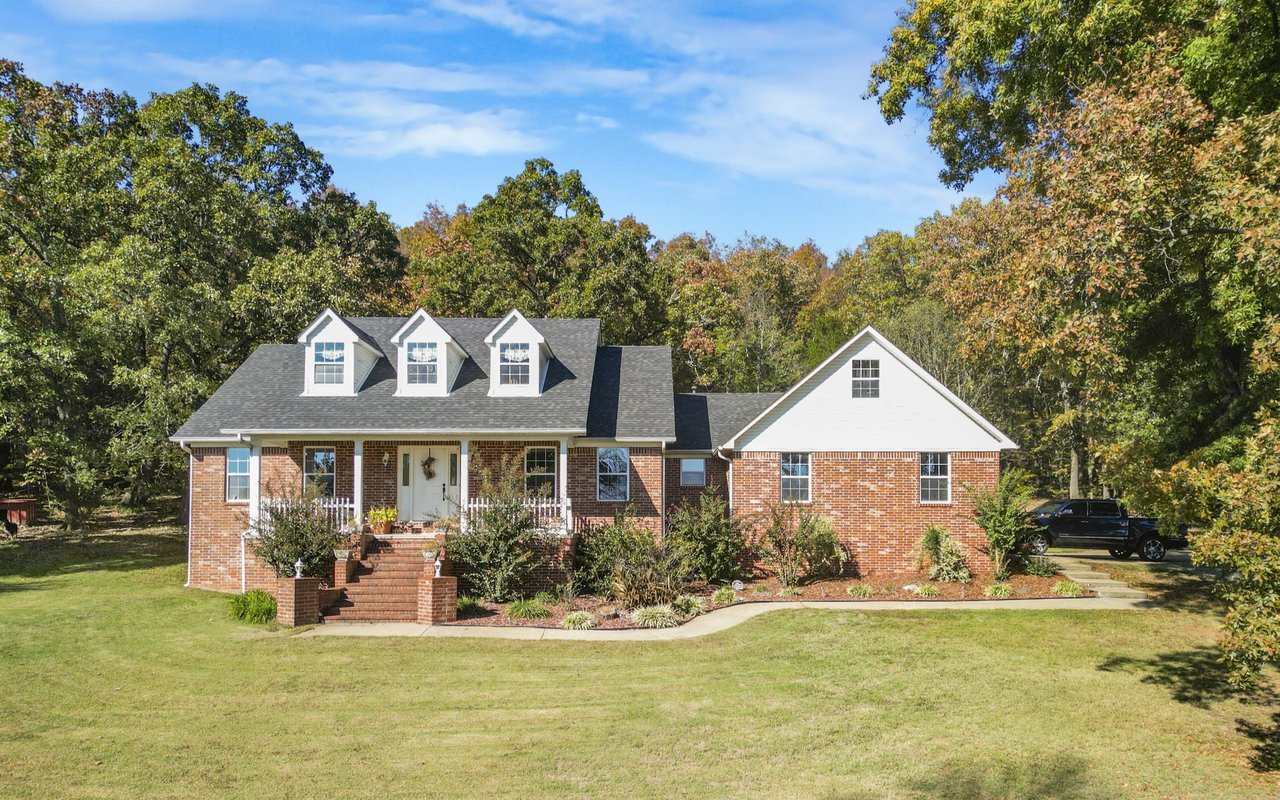
- Typical features: Larger lots or acreage, outbuildings, mix of older homes and newer construction.
- Buyer notes: Often on private well and septic. Plan for specific inspections and ongoing maintenance.
Mill lofts and adaptive reuse
- Where you’ll find them: Redeveloped industrial sites near historic mill complexes.
- Typical features: Open floor plans, exposed brick and beams, tall ceilings.
- Buyer notes: Unique spaces with association rules that can differ from single‑family homes. Verify maintenance responsibilities and any condo covenants.
Where styles cluster
- Historic core and riverfront: Victorian, Colonial Revival, Craftsman bungalows, and mill houses, with some loft conversions.
- Established in‑city neighborhoods: Mid‑century brick ranches and split‑levels are common.
- Peripheral growth corridors: Newer tract homes and contemporary Traditional designs.
- Rural outskirts: Farmhouses, manufactured homes, and larger parcels.
Lot sizes and layouts
Expect smaller urban lots around downtown, moderate suburban lots in mid‑century and later neighborhoods, and larger acreage in rural areas. If a shaded or wooded lot is a priority, you’ll see more of those on the outskirts. Inside city limits, confirm municipal water and sewer access if you plan to add bathrooms or expand living space.
Systems, foundations, and local climate
Foundations and basements
Basements are relatively uncommon in the coastal plain. Most homes sit on crawlspaces or slabs. For crawlspaces, a moisture and termite check is smart during inspections.
Flood awareness near the Tar River
Low‑lying properties near the river and tributaries can fall within mapped flood zones. Review the FEMA Flood Map Service Center and local floodplain maps, and budget for flood insurance if required by your lender.
Older‑home systems
In pre‑1978 homes, plan for potential lead‑based paint. Very old properties can sometimes have outdated electrical or plumbing components, and some mid‑century materials may contain asbestos. A qualified home inspection helps you scope any updates.
Termites and moisture
The warm, humid climate supports termite activity. A standard termite inspection is common, especially for wood‑framed homes. Good drainage and ventilation are key for crawlspaces.
Utilities and septic
Rural properties often use wells and septic systems. Ask for service records, recent inspections, and any permits tied to repairs or replacements. City homes typically connect to municipal water and sewer; confirm connections and capacity when planning additions.
Comfort and energy use
Hot, humid summers place extra demand on HVAC systems. Pay attention to system age, tonnage, and insulation levels, especially in older homes that may have had piecemeal upgrades.
Historic guidelines and research tips
If you’re considering a home in a historic area, check local rules before you renovate. Start with the City of Rocky Mount’s resources and contact planning or preservation staff through the City of Rocky Mount website. For architectural descriptions and historic district context, explore the North Carolina State Historic Preservation Office and the National Register of Historic Places.
New build or renovate?
Both paths are available in and around Rocky Mount. The right fit depends on your timeline, budget, and appetite for projects.
- Choose newer construction if you prefer modern systems, open plans, and lower short‑term maintenance.
- Choose renovation if you value character, central locations, or specific lot features, and you are comfortable planning updates over time.
- For rural builds, confirm well and septic capacity, driveway access, and utility connections early in the process.
Quick style finder
- Want one‑level living? Look at brick ranches and many Craftsman bungalows.
- Need more bedrooms and an attached garage? Newer suburban Traditional/Neo‑Colonial homes often fit.
- Love character and front porches? Explore Victorians, Colonial Revival, and Craftsman near the historic core.
- Prefer a lower price point or smaller footprint? Mill‑village cottages can be smart buys for modest needs.
- Dreaming of something unique? Consider mill‑loft conversions where available.
Your next step
Finding the right home type is easier when you know where styles cluster and what systems to check. If you want help matching your wish list to the right neighborhood and deciding between move‑in ready, renovation, or a ground‑up build, our team is here to guide you from search to closing to project coordination. Connect with Foote Real Estate Group for local advice and a smooth path forward.
FAQs
Where are the oldest homes in Rocky Mount?
- Primarily in the historic downtown and along riverfront and former mill corridors; consult city historic maps and state or national registers for boundaries.
Are basements common in Rocky Mount homes?
- No. In the coastal plain, most homes have crawlspace or slab foundations rather than basements.
Where can I find single‑story homes versus two‑story layouts?
- Single‑story ranches are common in mid‑century neighborhoods, while two‑story homes are frequent in newer subdivisions on the city’s edges.
Do historic homes require approvals to renovate exteriors?
- Possibly. Homes within local historic districts may require design review. Contact the City of Rocky Mount’s planning and preservation staff to confirm.
Should I worry about flooding near the Tar River?
- Flood risk exists in some low‑lying areas. Check the FEMA maps and local floodplain designations and budget for flood insurance if your lender requires it.