Thinking about adding a small home on your property for family or extra income, but unsure where to start? You are not alone. Accessory dwelling units, or ADUs, can be a smart move in Wake County, yet rules, permits, and costs can feel overwhelming. In this guide, you will learn what an ADU is, how local rules work across Wake County, what to expect for permits and costs, and a clear roadmap to move from idea to keys-in-hand. Let’s dive in.
What is an ADU?
An accessory dwelling unit is a second, smaller home on the same lot as your main house. It has its own sleeping area, a kitchen, and a bathroom. ADUs can be attached to your current home or detached as a separate structure.
Common ADU types
- Attached interior conversion: finished basement, attic, or part of the main home reconfigured as a separate unit.
- Attached addition: a new wing added to your home with a separate entrance.
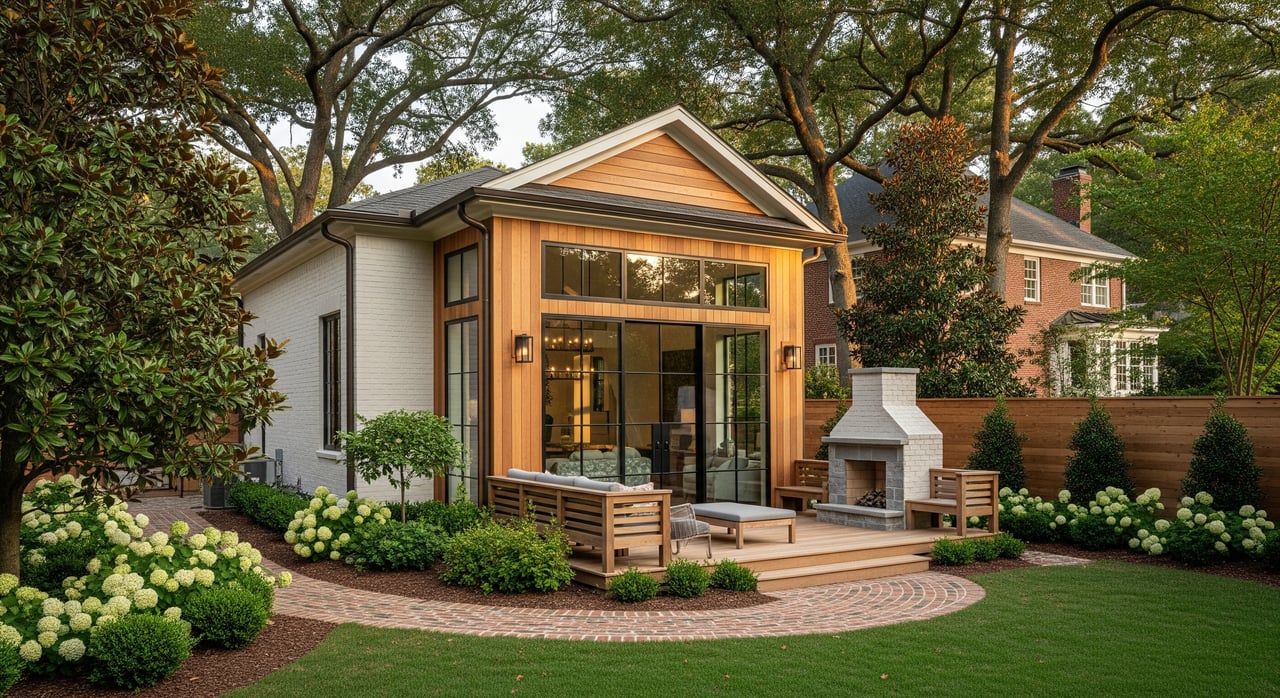
- Detached backyard cottage: a new small home built in the yard.
- Garage conversion: a detached garage turned into living space.
Typical ADU features
- A separate, code-compliant entrance
- A compact kitchen or kitchenette
- A full bathroom
- An independent sleeping area
- Separate utility meters are optional and site specific
Wake County fit
Wake County includes many cities, towns, and unincorporated areas. ADU rules can change from one block to the next. Before you plan, it helps to confirm where your property sits and what local code applies.
Municipal patchwork
Wake County includes the City of Raleigh and towns like Cary, Apex, Wake Forest, Holly Springs, Fuquay-Varina, Garner, Morrisville, and Clayton, along with unincorporated areas. Some places allow ADUs by-right with clear standards. Others require special approvals or limit detached ADUs. Short-term rental rules also vary by municipality.
Lots and utilities that work well
- Medium to larger single-family lots often make placement easier.
- Homes served by municipal water and sewer usually simplify approvals for kitchens and bathrooms.
- Septic systems add steps. A new unit can trigger a septic review and may require an upgrade before permits are approved.
- Existing basements, detached garages, or underused rear yard space can be great starting points.
Neighborhood and overlay checks
- Historic districts or conservation overlays may require design review.
- HOAs can limit or prohibit ADUs. Covenants may control size, placement, or rentals even when the city allows them.
Market context
Wake County’s steady growth supports rental demand. Areas near jobs and universities can see stronger interest from renters. Be sure to confirm local rules if you plan to rent long-term or short-term.
Local rules and permits
Plan to talk with your city or town planning department, or Wake County Planning and Development for unincorporated areas. You will likely need several permits and inspections.
- Zoning and land-use approval: confirms an ADU is allowed and meets standards like setbacks, lot coverage, height, max size, and parking.
- Building permit: covers structural work and safety under the North Carolina Residential Code.
- Trade permits: plumbing, electrical, and mechanical, as needed.
- Site-related approvals: septic review or sewer connection, and any driveway changes when applicable.
- Final approvals: addressing and a Certificate of Occupancy before move-in or rental.
Zoning standards to expect
Rules vary, but common items include:
- Maximum size: many places cap ADUs between about 400 and 1,200 square feet or set a percentage of the main home.
- Height and setbacks: detached ADUs are often limited to one story or a set height and must meet yard setbacks.
- Parking: some jurisdictions require at least one off-street space for the ADU, while others waive this in certain areas.
- Owner occupancy: some municipalities require either the main home or the ADU to be owner-occupied.
- Short-term rentals: rules differ and may include registration, inspections, or limits on ADU use.
Building code basics
Expect requirements for fire separation on attached units, smoke and carbon monoxide alarms, safe egress windows and doors, stair standards, and energy code compliance. Accessibility is not always required. If you plan for multigenerational living, consider wider doors, a zero-step entry, lever handles, and a ground-floor bedroom and bathroom.
Septic vs sewer
- On septic: Wake County and state health codes regulate added bedrooms and separate units. An ADU may require a septic capacity review or system upgrade. Address this early. It can determine whether your project is feasible.
- On sewer: Municipal service usually streamlines approvals for added fixtures. Utility approval and possible meter upgrades may still be needed.
Insurance, financing, taxes
- Insurance: Notify your insurer. A rental unit creates new liability exposures.
- Financing: Options can include renovation loans, home equity lines, or construction loans. Lenders may ask for plans and rental use details.
- Property taxes: Adding living space often increases assessed value. Check with the tax assessor for likely changes.
- Income taxes: Rental income is taxable. Deductions can include depreciation, repairs, and a share of expenses. Consult a tax professional.
Design and cost basics
Focus on what you need the ADU to do, then design to hit that goal within local rules and budget.
Attached vs detached
- Attached conversions: often lower cost and faster permitting. They tie into existing utilities but may offer less privacy.
- Detached cottages: more privacy and rental appeal, but higher cost and more site work. They are more likely to trigger extra reviews.
Size and layout
A one-bedroom ADU often falls between 400 and 800 square feet. Two-bedroom plans may reach 800 to 1,200 square feet if allowed. Prioritize a compact kitchen, a full bath, storage, laundry if feasible, and plenty of natural light.
Utilities and parking
Decide early whether you want separate utility meters for rental accounting. Right-sized HVAC is important for comfort and efficiency. For parking, consider tandem layouts or permeable pavers if required by code.
Timeline to expect
- Feasibility and design: weeks to months
- Permitting: a few weeks to several months depending on location and scope
- Construction: several months for interior conversions and roughly 4 to 9 months or more for detached builds
Cost ranges
Actual costs vary by site, size, and finishes. As a general guide:
- Interior conversions: often tens of thousands up to the low six figures.
- Detached new-build: commonly about $100,000 to $300,000 or more in many markets.
Get multiple local bids for a clear picture.
Your ADU roadmap
Use these steps to move from idea to action with fewer surprises.
Preliminary research
- Confirm your property’s exact jurisdiction: city, town, or unincorporated Wake County.
- Review local ADU rules for size, setbacks, parking, and any owner occupancy.
- Check HOA covenants for restrictions.
Site and utility review
- Verify sewer vs septic. Contact Wake County Environmental Services for septic questions or your municipal utility for sewer capacity and meter requirements.
- Check setbacks, impervious limits, and any tree or stormwater rules.
- Order a site survey if boundaries or easements are unclear.
Concept and rough budget
- Work with a designer or architect on a schematic layout.
- Request 2 to 3 contractor estimates to understand the range.
- Decide on mechanical systems and whether to use separate meters.
Permit applications
- Prepare construction documents to meet local submittal standards.
- File zoning, building, and trade permits, plus septic or sewer approvals.
Construction and inspections
- Build with your contractor. Schedule inspections for foundation, framing, electrical, plumbing, mechanical, and final.
- Obtain a Certificate of Occupancy before move-in or listing.
Operational setup
- Update insurance and notify your lender as needed.
- Register the rental if required. Set up leases and tax reporting.
- If used for family, agree on house rules and privacy plans.
Quick homeowner checklist
- Confirm jurisdiction: city or unincorporated
- Review ADU rules: size, setbacks, parking, owner occupancy
- Check HOA covenants
- Verify sewer vs septic and required upgrades
- Get a site survey and a preliminary design
- Gather contractor estimates and lender pre-approval if financing
- Submit permits and coordinate inspections
- Update insurance and register rental if required
Is an ADU right for you?
ADUs can add flexibility, support multigenerational living, and create rental income potential. The best projects align with your lot, your local rules, and your long-term goals. If you want help weighing resale impact, rental strategy, and build options, our team can coordinate the path from concept to completion with trusted design and contractor partners.
Ready to explore your options? Connect with Foote Real Estate Group for practical guidance, local expertise, and a clear plan tailored to your Wake County property.
FAQs
Are ADUs legal on all Wake County lots?
- No. Rules vary by city or town, and unincorporated areas follow different processes. Check your municipality’s zoning or contact Wake County Planning and Development.
Do I need to upgrade my septic for an ADU?
- Possibly. Adding bedrooms or a separate dwelling can require a septic capacity review and upgrades. Contact Wake County Environmental Services early in planning.
How big can my ADU be in Wake County?
- Many jurisdictions cap ADUs between about 400 and 1,200 square feet or use a percentage of the primary home. Confirm your local standard before designing.
Do I need extra parking for an ADU?
- Some municipalities require one additional off-street space, while others waive parking in certain areas. Check your zoning code to be sure.
Can I use an ADU for short-term rentals?
- Short-term rental rules differ across Wake County. Many places require registration, safety checks, or limit STRs in ADUs. Verify the rules where you live.
Will an ADU raise my property taxes?
- Likely. Permitted living space and rental capability can increase assessed value. Contact the tax assessor for a local estimate.
What financing options exist for ADUs?
- Home equity lines, renovation loans, and construction loans are common. Lenders may request plans and details on intended use and occupancy.