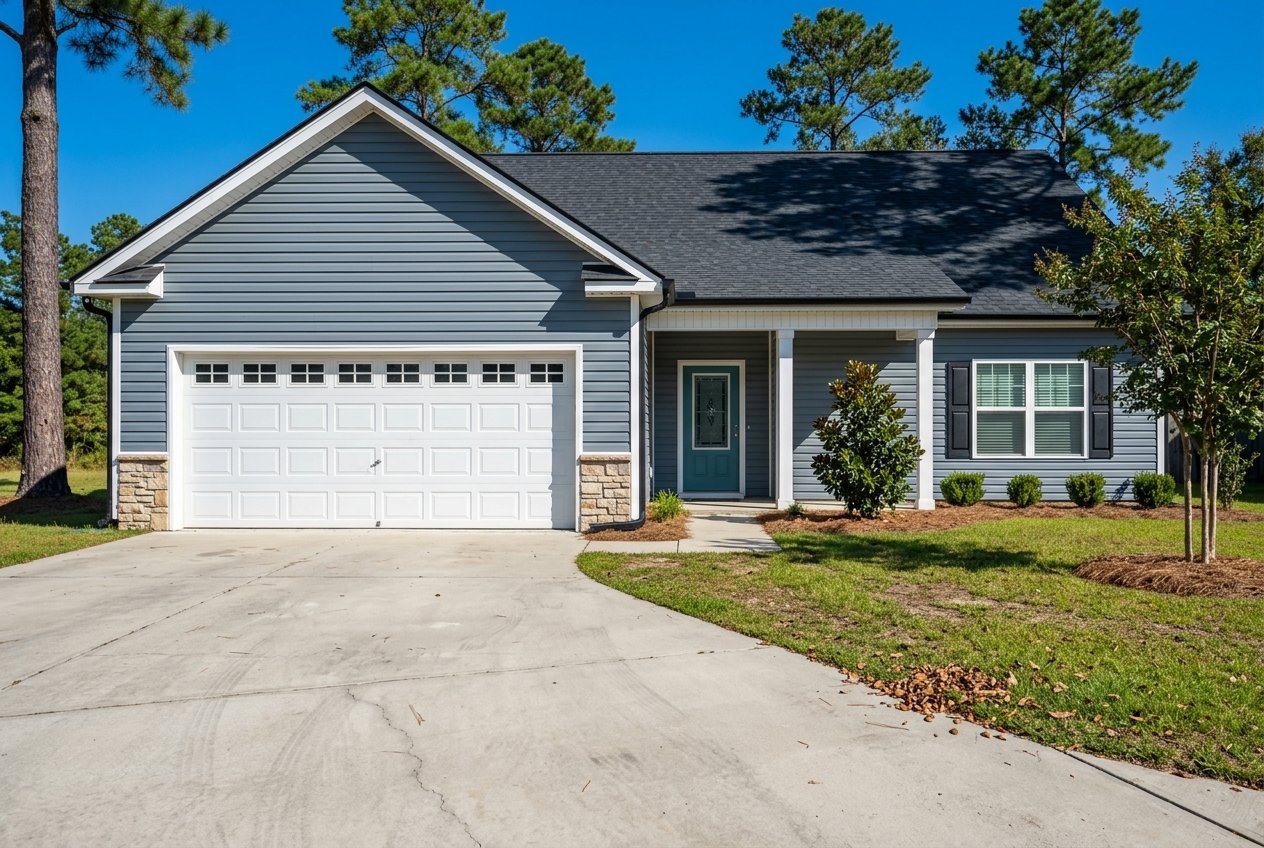
First-Time Homebuyer Roadmap For Nash County
June 4, 2026
June 4, 2026
Buying your first home in Nash County can feel exciting one minute and overwhelming the next. You may be wondering how much home you can afford, where prices are moving, and what steps really matter before you make an offer. The good news is that a clear plan can make the process much easier. This roadmap will walk you through what to expect in Nash County, how to prepare financially, and how to move forward with confidence. Let’s dive in.
Nash County gives many first-time buyers a chance to enter the market at a lower price point than some other North Carolina areas. The county’s 2022 land-use plan describes it as a relatively affordable alternative to other markets in the state, and the housing stock is mostly single-family homes.
That matters if you want options. Current inventory data shows far more single-family homes than townhomes in Nash County, which means detached homes will likely be the main type of property you see as you search.
There is also a wide range of prices across the county. Recent Zillow figures show lower typical values in places like Rocky Mount and Castalia, while Red Oak and Dortches sit at the higher end of the county range.
Market numbers vary depending on the source, but the overall message is consistent. Nash County is still a place where buyers need to be prepared when a well-priced home hits the market.
Zillow reported a typical home value of $238,652 in Nash County as of April 30, 2026, with homes going pending in about 40 days. Redfin’s April 2026 snapshot showed a median sale price of $299,000 and average days on market of 55. These figures are not directly interchangeable, but together they suggest a market where timing matters.
Some local housing numbers also help frame the bigger picture. Census data shows an estimated 2024 population of 97,990, 44,586 housing units, and a 63.7% owner-occupied housing rate in Nash County. Median monthly owner costs with a mortgage were listed at $1,318, while median gross rent was $924.
If you are trying to decide where to start looking, it helps to know that values can shift quite a bit from town to town. Recent Zillow city-level estimates showed this general spread:
These figures are snapshots, not guarantees of what any specific home will cost. Still, they can help you set realistic expectations before you begin touring homes.
Before you shop seriously, get clear on what you want to spend each month and what you can comfortably afford. That means looking beyond the sale price and thinking about the full payment.
Your monthly housing cost may include principal, interest, property taxes, homeowner’s insurance, and possibly mortgage insurance. If you buy in a neighborhood with dues, HOA fees may also apply.
Checking your credit early is one of the smartest first steps. It gives you time to fix errors, pay down debt if needed, and understand which loan programs may fit your situation.
A preapproval letter is one of the key tools you will need in this market. Sellers often expect it, and it shows that a lender has taken an early look at your finances.
A preapproval is not a final loan commitment, but it helps you shop with a more realistic price range. It also puts you in a better position to act quickly when the right home becomes available.
Preapproval letters typically expire in 30 to 60 days. If your search takes longer, you may need to refresh your paperwork with your lender.
Most buyers should be ready to assemble a basic loan application packet before shopping seriously. While exact requirements vary by lender, this step usually works best when you already have your finances organized.
A practical approach is to:
Many first-time buyers in Nash County look to state-backed programs for help. Nash County’s own housing pages focus mostly on repair and rehab assistance for current owner-occupants, so purchase help is more likely to come from broader mortgage programs.
One option is the NC Home Advantage Mortgage. This program offers down payment assistance up to 3% of the loan amount for eligible buyers. It requires a credit score of at least 640, income of no more than $152,000, and owner-occupancy within 60 days of closing.
Another option is the NC 1st Home Advantage Down Payment program. It provides $15,000 in down payment assistance for eligible first-time buyers, military veterans, or buyers in targeted census tracts. For this program, a first-time buyer is generally someone who has not owned a home as a principal residence in the past three years.
Because Nash County includes rural areas, some buyers may also want to ask about USDA guaranteed loans. These can offer 100% financing in eligible rural locations.
Keep in mind that USDA eligibility is property-specific. A home may qualify or not qualify based on its exact address, so each property should be checked individually.
If you put down less than 20%, mortgage insurance is typically required. That does not mean homeownership is out of reach, but it does mean your monthly payment may be higher than the principal and interest alone.
When you set your budget, include this possibility from the start. That way, you avoid falling in love with a payment that does not reflect the full cost.
Once you are preapproved, it is time to tour homes with a sharp eye for both value and practicality. In Nash County, that means thinking about more than bedrooms, bathrooms, and curb appeal.
Because the county has a lot of detached homes and rural inventory, property systems matter. Some homes may rely on private wells or septic systems, and those details can affect both your due diligence and your comfort level as a buyer.
The county’s housing stock also trends older, with an average construction year of 1986 countywide according to the land-use plan. Older homes can still be a great fit, but they may deserve extra attention during the inspection period.
For many first-time buyers, the goal is not just to win a home. It is to win it without taking unnecessary risks.
A strong offer often includes protections that help you back out or renegotiate if major issues come up. Common examples include a financing contingency and a satisfactory inspection contingency.
Lenders also generally require an appraisal. If the appraisal or inspection reveals serious concerns, that can affect your financing, negotiations, or both.
Here are a few terms first-time buyers should understand:
In a market where homes can move quickly, it helps to know your financing plan before you ever write the offer. That preparation gives you a better chance to move fast without feeling rushed.
Due diligence in Nash County can be very local. If a home has a private well or septic system, Nash County Environmental Health handles well permitting, septic design, permitting, and inspection.
The county also notes that buyers should first get planning and zoning clearance, then obtain the Environmental Health application when needed. Well and septic permits are valid for five years, and the department also collects and tests water samples.
This matters because not every property has the same setup. A home on public utilities may involve one kind of review, while a more rural property may require additional questions and testing.
Flood and storm questions should also be part of your process before you make an offer. That is especially relevant in Nash County, where Redfin’s climate section labels flood risk as moderate and wind risk as major.
That does not mean every home carries the same level of exposure. It does mean you should ask thoughtful questions and factor insurance and property conditions into your decision.
After your offer is accepted, things can move quickly. You may have only a short window to compare Loan Estimates and line up financing details.
A simple timeline looks like this:
Before closing, your lender must provide the Closing Disclosure at least three business days before closing. Use that time to compare the final numbers with your earlier Loan Estimate so you can spot any unexpected changes.
A final walk-through is also important. It gives you a chance to confirm that agreed repairs were completed and that any items the seller agreed to leave are still there.
Your budget should not stop at closing day. In your first year as a homeowner, you will likely be managing your mortgage payment, homeowner’s insurance, property taxes, and any HOA dues that apply.
In Nash County, real estate tax bills are mailed in July or August and are due September 1. The owner of record as of January 1 is the legal taxpayer for that year, even if the property changes hands later.
If you buy a starter home and hope to improve it over time, it also helps to know where to go for permits and planning questions. Nash County’s Planning & Inspections department handles land development and permitting, which can matter if you plan future renovations, additions, or building work.
A smart first-time buyer strategy in Nash County is usually simple. Get preapproved first, watch the market closely, tour quickly when a strong match appears, and write an offer that protects you.
From there, use the inspection and appraisal period to make careful decisions. If repairs are needed, you may be able to negotiate fixes or credits rather than walking away immediately.
This kind of steady, informed approach fits the local market well. Nash County offers a relatively affordable mix of homes, but success often comes down to preparation, timing, and knowing what details matter on each property.
If you want local guidance as you map out your first move in Nash County, the team at Foote Real Estate Group can help you understand your options, evaluate homes, and move from search to closing with a clear plan.
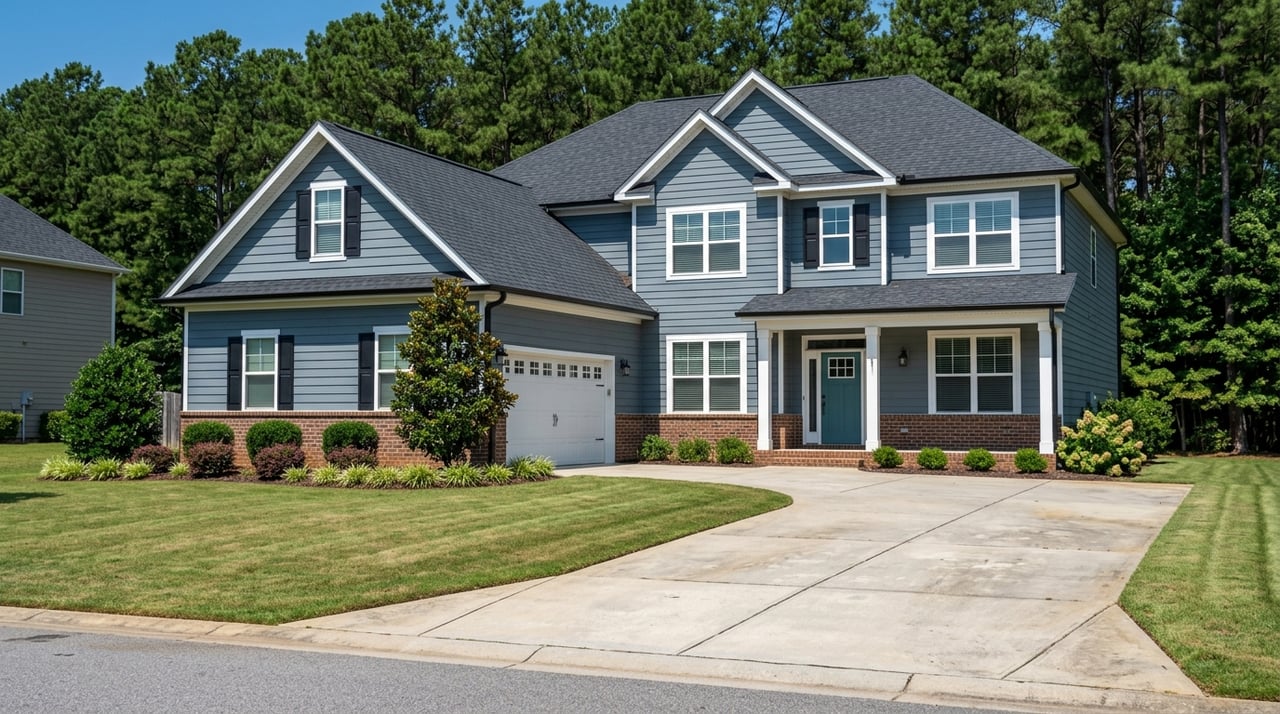
From finding the right piece of land to designing your ideal floor plan and finishes, we’ll guide you every step of the way—so you can build your dream home with confidence and stay on budget.
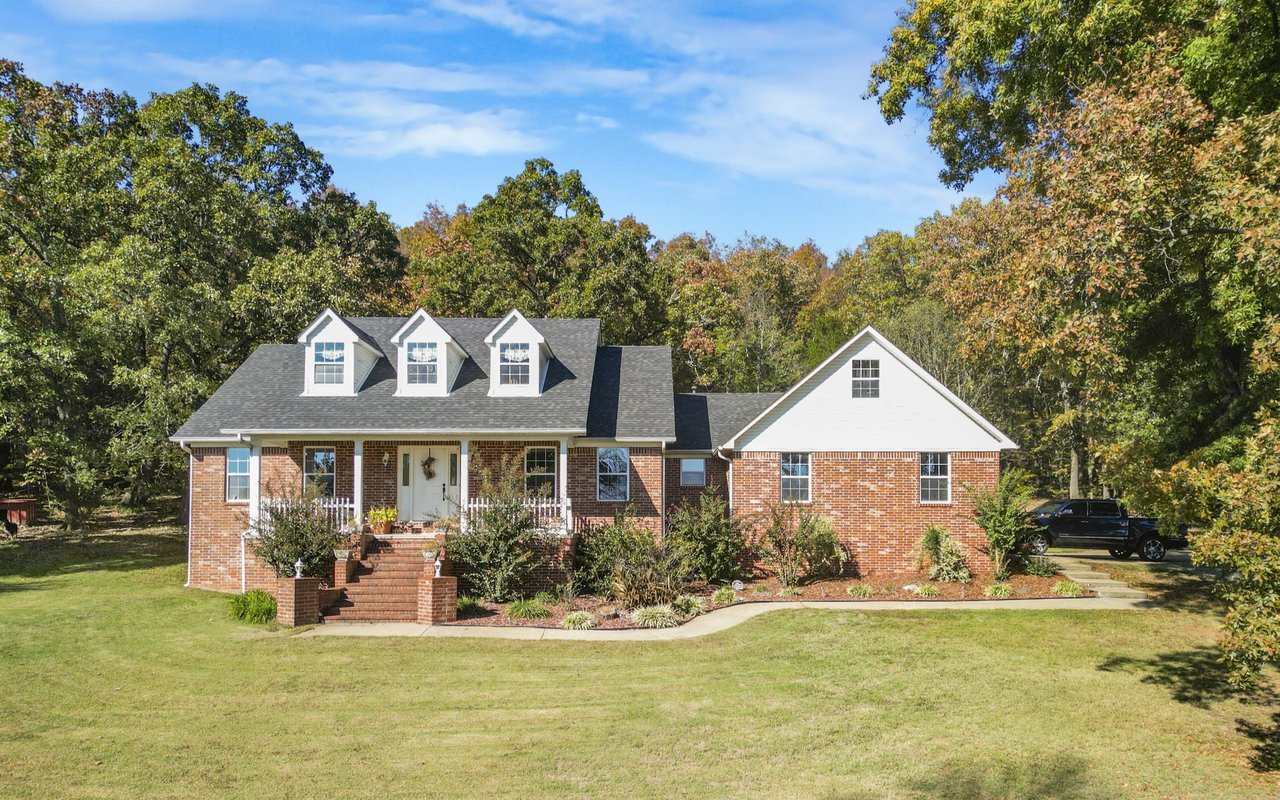
FOOTE & MOOREFIELD CONTRACTORS
3312 Sunset Ave Rocky Mount NC 27804