Tarboro Sellers: Update Your Home Or Sell As-Is?
June 25, 2026
June 25, 2026
Wondering whether you should fix up your Tarboro home or just sell it as-is? You are not alone. In a market with older homes, longer selling timelines, and buyers who often look closely at condition, the right answer usually is not a full remodel. This guide will help you decide where updates make sense, when as-is is the smarter move, and how to protect your bottom line. Let’s dive in.
Tarboro is a market where condition can shape both buyer interest and negotiating power. Recent local data shows a median sale price of $198,381, a median of 89 days on market, and average sales closing about 5% below list price.
That pace gives buyers time to compare options. If your home has obvious issues, buyers may use those problems to negotiate harder or walk away during due diligence.
Tarboro also has an older housing stock. In the Tarboro PSA, 35.2% of owner-occupied units and 36.4% of renter-occupied units were built before 1970, and in the downtown submarket about half of occupied homes were built before 1970.
Older does not automatically mean unattractive. It does mean buyers are more likely to pay attention to signs of deferred maintenance, aging systems, and visible repair needs.
Local sales data shows a meaningful gap between older homes and newer homes. In the Tarboro PSA, homes built before 1950 sold at a median price of $114,000 and $72.74 per square foot, while homes built from 2010 to present sold at a median price of $235,745 and $135.20 per square foot.
That does not mean every older home should be renovated top to bottom. It does suggest buyers will pay more for homes that feel more move-in ready, especially when major systems and visible maintenance items are in good shape.
For many sellers, the best return comes from targeted repairs, not broad remodeling. In a price-sensitive market, it is easy to spend more on upgrades than the resale price can support.
In North Carolina, buyers get a due diligence period designed to let them inspect the property, ask for repairs, and terminate for any or no reason. That means condition issues can affect your deal early, not just at closing.
Buyers tend to react most strongly to problems that suggest cost, risk, or financing trouble. These issues often matter more than dated finishes or older style choices.
If buyers see these problems, they may lower their offer, ask for repairs, or move on to another listing. In some cases, these issues can also limit financing options.
If you want to improve your sale price or reduce buyer objections, focus on repairs that are visible, practical, and likely to widen the buyer pool. The goal is to make your home feel cared for and functional, not perfect.
These improvements help buyers feel more confident. They also reduce the chance that your home will raise red flags during inspections.
Selling as-is can be the right choice when repairs are large, uncertain, or time-sensitive. If your home needs major structural work, full system replacement, or a long list of contractor-driven projects, the cost and delay may outweigh the potential payoff.
This is especially important in North Carolina because many larger projects involve permitting and scheduling. Edgecombe County states that work may not begin until a permit is approved and issued, and state law requires a licensed general contractor for most projects of $40,000 or more.
If you are relocating, managing an inherited property, dealing with a rental, or simply do not want a major renovation project, an as-is sale may be the more practical path. It can help you move forward faster and avoid pouring money into work with an uncertain return.
Many sellers hear “as-is” and assume it removes their responsibilities. It does not. In North Carolina, as-is is best understood as a pricing and negotiation posture, not a way to avoid disclosure.
State law requires most residential sellers to provide a disclosure statement. The form covers items like water and sewage systems, roof, chimneys, floors, foundation, basement, plumbing, electrical, heating and cooling systems, wood-destroying insects, zoning issues, encroachments, and environmental contamination.
You may disclose actual knowledge or state that you make no representations in certain areas, but the disclosure form is not a warranty. Buyers still have the opportunity to inspect, and they often will.
Older Tarboro homes may also trigger lead-based paint disclosure requirements. If your home was built before 1978, you must disclose known lead-based paint hazards before contract and provide the required lead information.
That matters because peeling, chipping, chalking, or cracking paint can raise buyer concern. If your home has visible paint failure, addressing it before listing may help reduce friction.
For a lot of Tarboro homeowners, the strongest strategy is somewhere in the middle. Instead of doing nothing or over-renovating, you handle the issues most likely to scare buyers, then price the home to reflect the remaining condition.
This approach works well in an older market where buyers may accept dated finishes but hesitate over signs of neglect. It can also help you avoid improving the home beyond what the neighborhood or price range is likely to support.
This can give you a cleaner listing, a more credible asking price, and fewer surprises once offers start coming in.
If you are torn between updating and selling as-is, ask yourself a few simple questions. Your answers can usually point you toward the better path.
If the issues are small and visible, updates may help. If the problems are major, hidden, or likely to grow, as-is may protect your time and money.
In Tarboro, the data points to a simple takeaway: fix the problems that buyers and inspectors are most likely to flag, then avoid chasing perfection. With an older housing stock and buyers who have room to negotiate, visible defects often matter more than dated finishes.
That is why selective repairs are often the best move. You improve marketability, reduce objections, and keep control of your budget without taking on a remodel that may not pay you back.
If you want help deciding what is worth fixing before you list in Tarboro, the team at Foote Real Estate Group can help you weigh your options, price strategically, and build a sale plan around your goals.
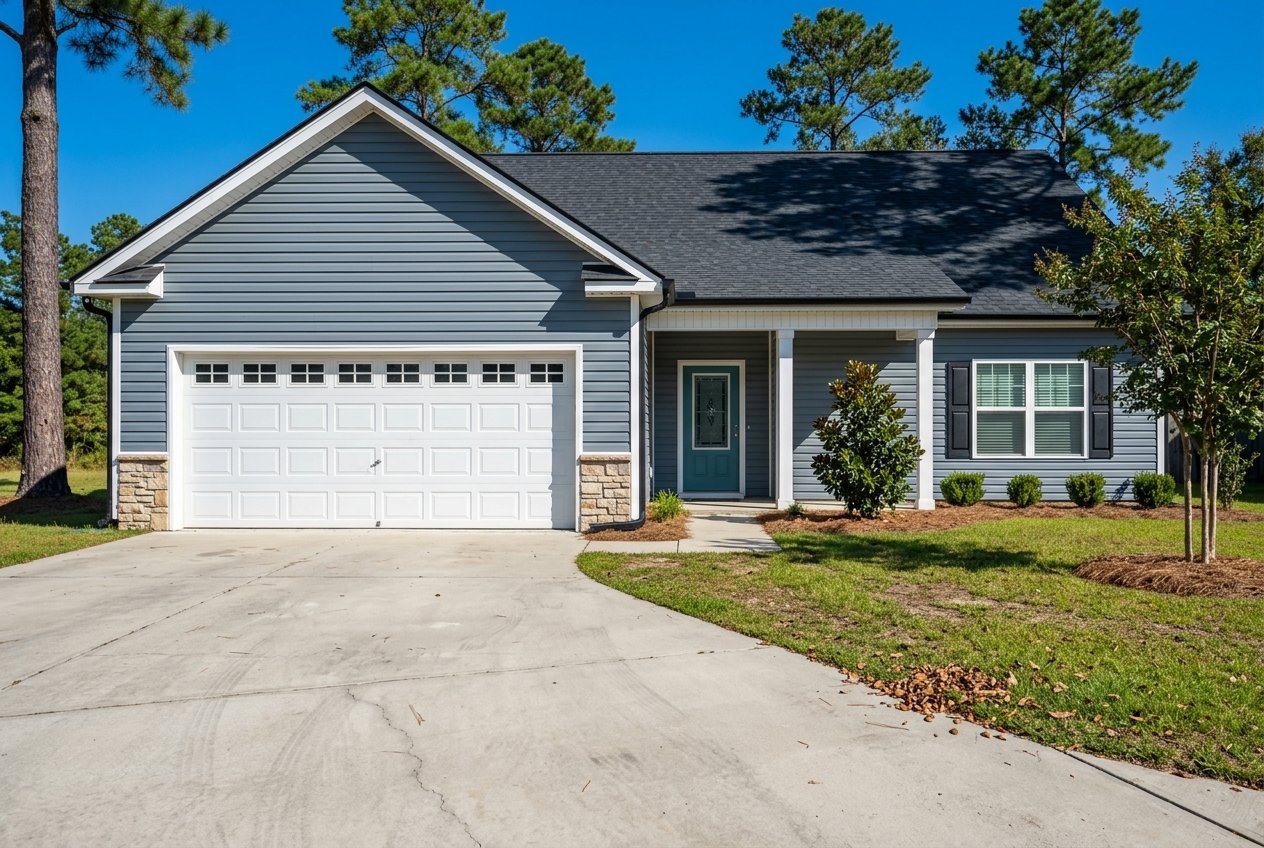
From finding the right piece of land to designing your ideal floor plan and finishes, we’ll guide you every step of the way—so you can build your dream home with confidence and stay on budget.
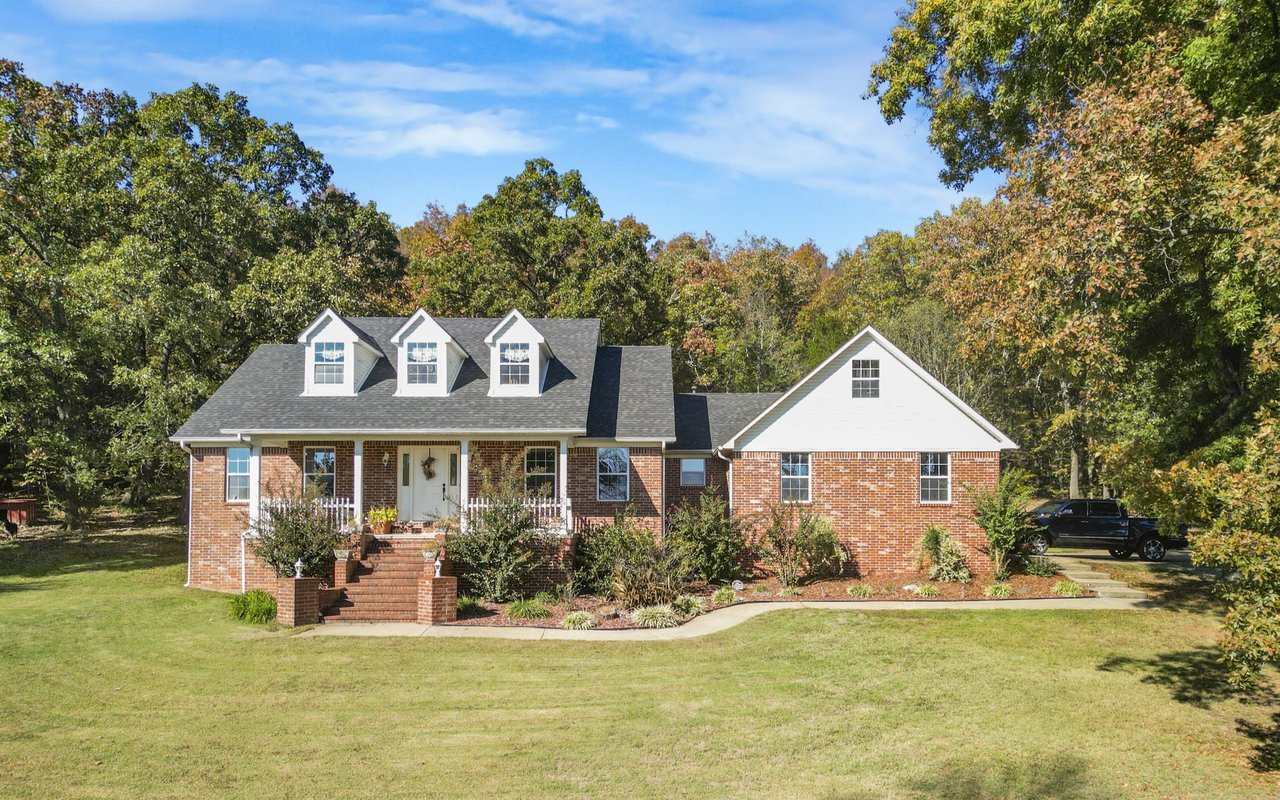
FOOTE & MOOREFIELD CONTRACTORS
3312 Sunset Ave Rocky Mount NC 27804