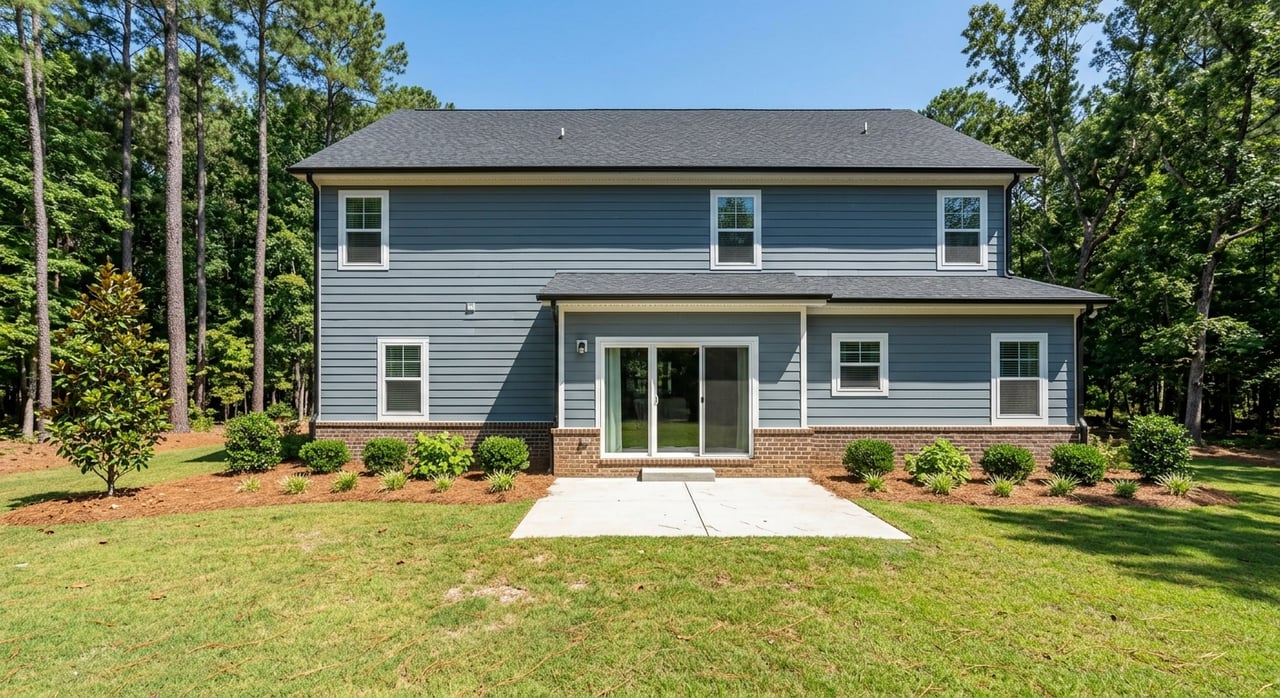
Buying Land And Building A Home Near Bailey
July 9, 2026
July 9, 2026
Thinking about buying land near Bailey so you can build the home you actually want? It can be a smart path, but raw land is not the same as a ready-to-build homesite. Before you fall in love with a parcel, you need to know how zoning, permits, utilities, septic, road access, and flood risk can affect your timeline and budget. This guide will help you understand what to check before you buy and how to plan your next steps with more confidence. Let’s dive in.
If you want more space, a custom layout, or a quieter setting than you may find in existing neighborhoods, land near Bailey can be appealing. You may have more flexibility with home design, lot size, and how you use the property.
That said, the land-and-build process is usually more front-loaded than buying an existing home. A parcel may look perfect at first glance, but the real question is whether it is truly buildable for your goals.
One of the first things you need to confirm is where the land falls from a local government standpoint. In the Bailey area, that can mean the parcel is inside the Town of Bailey, inside Bailey’s extraterritorial jurisdiction, or in unincorporated Nash County.
That matters because the approval path can change based on location. The Town of Bailey requires a zoning permit for new construction or any physical or use change within the town and its ETJ, and that permit must be issued before work begins. Nash County issues building permits, and outside municipal zoning jurisdiction, county zoning permits are filed through Nash County’s Permit Portal.
For many buyers, permits sound like a later step. In reality, local guidance shows that zoning is one of the first steps, so it makes sense to review it early while you are still deciding whether to buy the land.
Nash County Building Inspections enforces the North Carolina State Building Codes in its jurisdiction and regulates construction, plumbing, electrical, gas, and HVAC work. The county permit portal is also used for applications, payments, and inspection requests after a permit is issued.
If the property needs rezoning or a special or conditional use permit, the process may take longer. Bailey’s planning process can add another layer of review, and if the project involves dividing land, Nash County Planning Board review may also come into play for major subdivision proposals.
Before you buy land, make sure you understand exactly what you are buying. Nash County GIS is a useful starting point for maps, 9-1-1 addressing, and parcel information.
You should also review records with the Nash County Register of Deeds, which is the county’s official repository for real estate records. These records can help you confirm deed history and identify recorded items such as easements or restrictions that could affect how you use the property.
This step can save you from expensive surprises later. A beautiful tract may still come with access issues, use limitations, or recorded documents that shape what can be built.
Legal and practical access is another major issue. If the lot fronts a state-maintained road, access rules from the North Carolina Department of Transportation may apply.
According to NCDOT guidance, anyone developing or redeveloping property, or altering existing access, must obtain a driveway permit to connect to the State Highway System. There is no application fee, but it is still an important approval to factor into your timeline.
If you skip this step during due diligence, you could end up with a lot that is harder to develop than expected. That is why access should be one of the first questions you ask.
Utilities can vary a lot from one Bailey-area parcel to another. The Town of Bailey provides water service to customers in and outside town and processes town wastewater at its sewer treatment plant, but service availability still needs to be confirmed on a parcel-by-parcel basis.
The town also requires an in-person application at Town Hall and a utility-service agreement to set up service. In other areas near Bailey, Nash County Public Utilities may be the provider instead.
If public sewer is not available, most lots in unincorporated Nash County will need a private on-site septic system. Nash County Environmental Health handles site-suitability evaluations, septic design, permitting, installation inspections, well permitting, well inspections, and water testing.
A simple takeaway is this: never assume utility service is available just because nearby homes exist. You want clear answers on whether the property will connect to town utilities, county utilities, or need private well and septic systems.
If you are buying raw land, soil conditions can have a big impact on what happens next. Nash Soil and Water Conservation District provides the county soil survey at no charge, which can help you better understand the land’s soil context.
For lots that need septic, Environmental Health review becomes especially important. County guidance says buyers should first get clearance from planning, zoning, and utility authorities, then apply to Environmental Health with a site plan.
There is also a practical site-prep detail many buyers do not expect. If the lot is wooded, Nash County says it must be cleared from undergrowth and thinned enough for a laser level to be used when evaluating septic placement. In other words, some parcels need clearing before they are truly ready for a septic evaluation.
The county also notes that well and septic permits are valid for five years. That can be helpful if your timeline stretches, but it also shows why planning ahead matters.
Flood risk is another item you want to review before closing, not after. FEMA’s Flood Map Service Center is the official public source for National Flood Insurance Program flood hazard information.
A strong parcel review near Bailey should combine FEMA flood maps with Nash County GIS and local soil information. That broader view can help you better understand whether the lot may have development limits, drainage concerns, or added costs to plan for.
When you compare land options, do not focus only on the purchase price. Local permit-related costs can change the real cost of getting a lot ready to build.
Current county guidance for projects in unincorporated areas lists a $10 county zoning permit, a $100 compliance permit when an existing septic system is already present, and a $400 wastewater permit when there is no existing septic system and the parcel does not have public sewer access. These are not the only costs in a build, but they are part of the early picture.
Once you move from due diligence into planning, your contractor team matters. In North Carolina, a general contractor must be state licensed when a project is valued at $40,000 or more.
For septic and well work, county Environmental Health resources also point buyers to North Carolina certified septic contractors and certified well contractors. Verifying licensing and certification before work begins is a smart way to reduce risk.
If you want a quick way to compare parcels, start with these questions:
These questions can help you compare land more realistically. They also make it easier to separate a promising parcel from one that could create delays or surprise costs.
Buying land and building a home near Bailey is very workable, but success usually comes from doing your homework early. The process is less about one big decision and more about a series of smaller checks that protect your budget and timeline.
That is where working with a team that understands both the local market and the build process can make a real difference. When you can evaluate the lot, the approvals, and the construction path together, you are in a stronger position to decide whether building is the right move for you.
If you are weighing land options near Bailey or trying to compare a custom build with an existing home, Foote Real Estate Group can help you think through the process with practical local guidance.
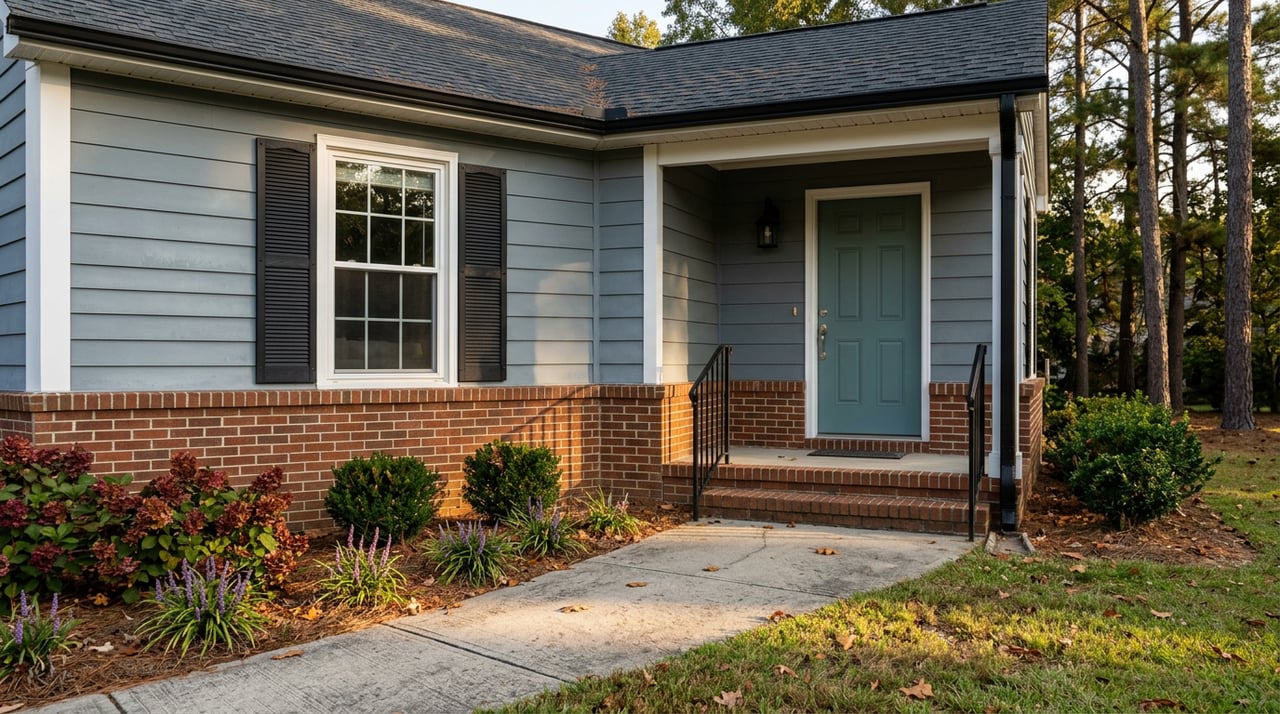
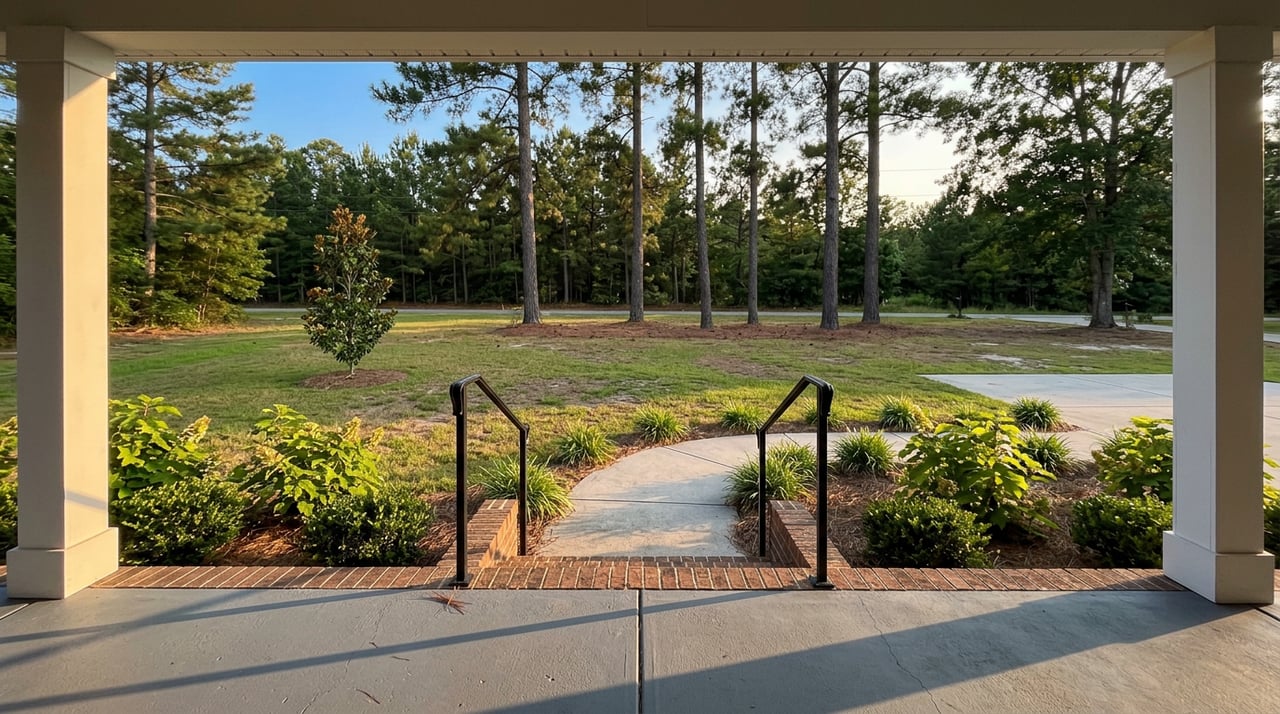
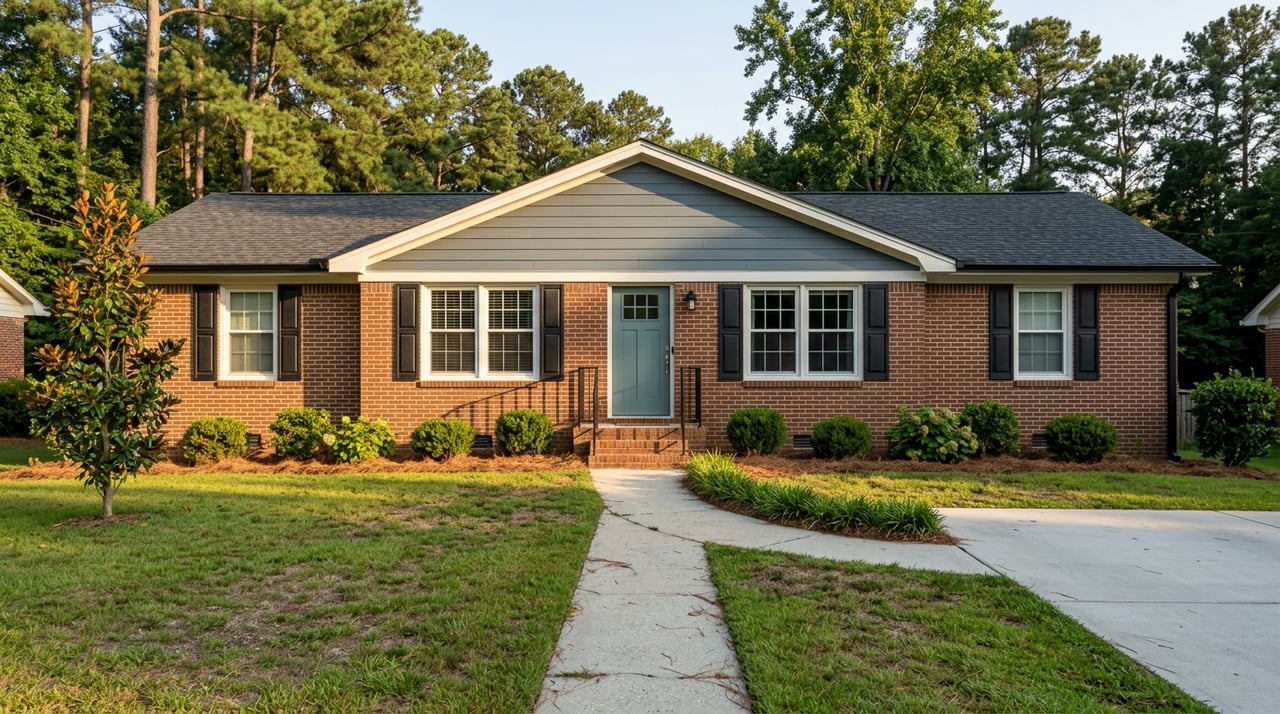
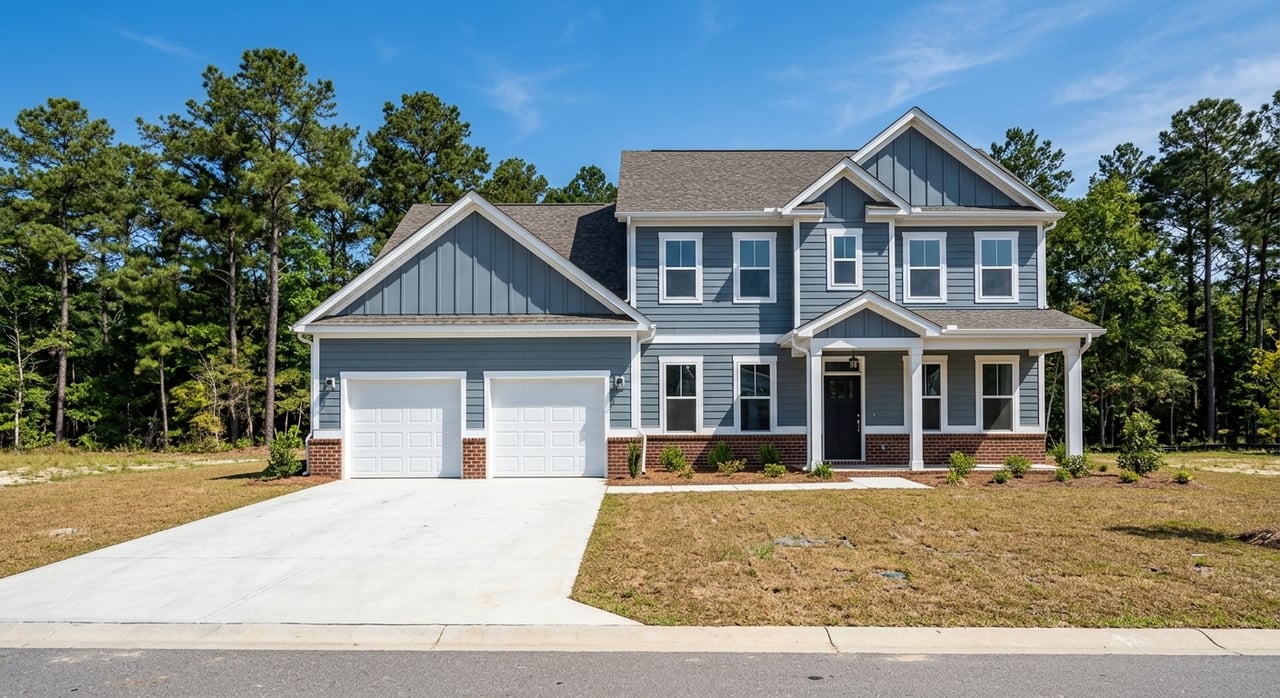
From finding the right piece of land to designing your ideal floor plan and finishes, we’ll guide you every step of the way—so you can build your dream home with confidence and stay on budget.
FOOTE & MOOREFIELD CONTRACTORS
3312 Sunset Ave Rocky Mount NC 27804